Chocolate has long been celebrated for its rich flavor and versatile nature, making it a favorite ingredient in desserts worldwide. In the realm of pastry arts, chocolate can be transformed into exquisite creations that not only tantalize the taste buds but also serve as visual masterpieces. One of the most innovative techniques in chocolate art is the use of flower moulds. This article delves into the art of chocolate and provides a comprehensive guide on how to use flower moulds to create stunning desserts that will impress any audience.
Understanding Chocolate: Types and Temperatures
Before diving into the use of flower moulds, it is essential to understand the different types of chocolate and their respective properties. The main types of chocolate used in dessert-making include:
- Dark Chocolate: Rich in cocoa solids, dark chocolate has a bittersweet flavor and typically contains 50-90% cocoa.
- Milk Chocolate: Sweeter and creamier than dark chocolate, milk chocolate contains milk solids and usually has a cocoa content of 10-50%.
- White Chocolate: Technically not chocolate, white chocolate is made from cocoa butter, sugar, and milk solids, offering a sweet and creamy taste.
When working with chocolate, tempering is crucial. Tempering involves heating and cooling chocolate to stabilize it, resulting in a glossy finish and a satisfying snap. The ideal temperatures for tempering various types of chocolate are:
- Dark Chocolate: Heat to 115°F (46°C), cool to 82°F (28°C), and reheat to 88-90°F (31-32°C).
- Milk Chocolate: Heat to 110°F (43°C), cool to 80°F (27°C), and reheat to 86-88°F (30-31°C).
- White Chocolate: Heat to 100°F (38°C), cool to 80°F (27°C), and reheat to 84-86°F (29-30°C).
Exploring Flower Moulds: Types and Benefits
Flower moulds are specialized tools that allow pastry chefs and home bakers to create intricate chocolate decorations resembling flowers. These moulds come in various shapes, sizes, and materials, including silicone and plastic. Here are some popular types of flower moulds:
- Silicone Moulds: Flexible and non-stick, silicone moulds allow for easy release of chocolate and come in a variety of floral designs.
- Plastic Moulds: Rigid and durable, plastic moulds are often used for creating detailed chocolate flowers but require careful handling to prevent breakage.
- Metal Moulds: These moulds provide excellent heat conductivity and are ideal for creating precise shapes, though they may require greasing.
Using flower moulds offers several benefits, including:
- Creativity: Moulds enable bakers to experiment with different designs and colors, adding a personal touch to desserts.
- Professional Appeal: Intricate chocolate flowers can elevate the presentation of desserts, making them look more sophisticated and appealing.
- Versatility: Flower moulds can be used not only for chocolates but also for other mediums like fondant and sugar paste, broadening their application in dessert decoration.
Steps to Create Stunning Chocolate Flowers Using Moulds
Now that we understand the types of chocolate and the benefits of flower moulds, let’s explore the step-by-step process to create stunning chocolate flowers.
1. Gather Your Materials

Before starting, ensure you have all the necessary materials on hand:
- High-quality chocolate (dark, milk, or white)
- Flower moulds (silicone, plastic, or metal)
- Double boiler or microwave for melting chocolate
- Spatula for spreading chocolate
- Decorative elements (edible glitter, colored dust, etc.)
2. Temper the Chocolate
Follow the tempering temperatures outlined earlier based on the type of chocolate you are using. Properly tempered chocolate ensures a glossy finish and helps maintain the shape of the flowers once they are removed from the mould.
3. Fill the Moulds
Once your chocolate is tempered, carefully pour it into the flower moulds. Use a spatula to spread the chocolate evenly, ensuring that all details of the mould are filled. Tap the mould gently on the counter to remove air bubbles.
4. Chill and Set
Place the filled moulds in the refrigerator for about 15-30 minutes or until the chocolate is fully set. The cooling time may vary depending on the thickness of the chocolate layer.
5. Demoulding

Once the chocolate is set, gently flex the mould to release the chocolate flowers. Take care not to apply too much pressure, as this can break delicate pieces.
6. Decorating the Flowers
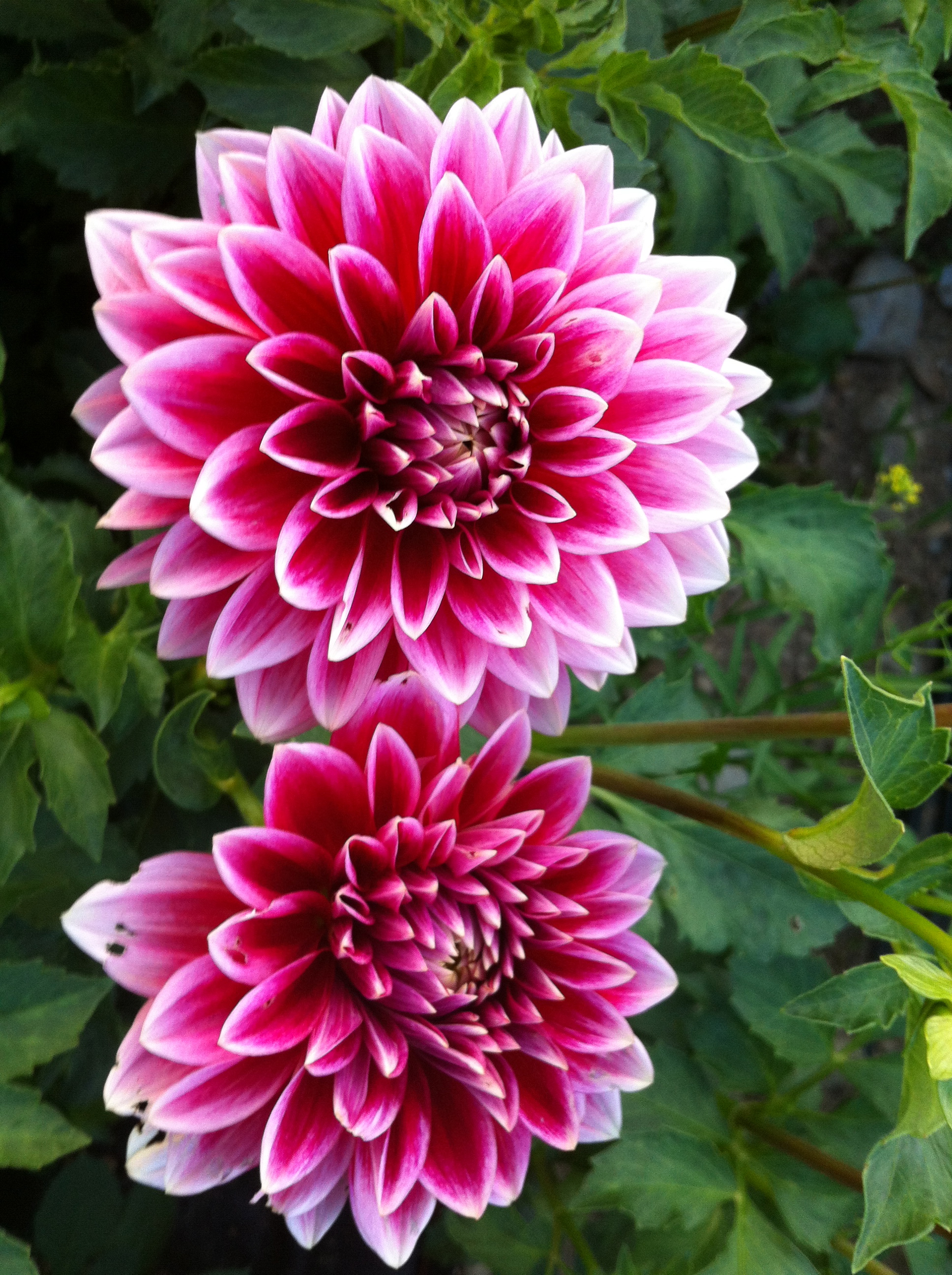
Enhance the appearance of your chocolate flowers by dusting them with edible glitter, using colored cocoa butter, or painting with food-safe colors. This step allows your creativity to shine and adds a unique touch to each flower.
Case Studies: Successful Pastry Chefs Using Flower Moulds
Many renowned pastry chefs have embraced the use of flower moulds to elevate their desserts. Here are a couple of examples:
1. Chef Pierre Hermé

World-famous for his macaron creations, Chef Pierre Hermé often incorporates chocolate flowers into his dessert presentations. His signature “Ispahan” macaron features delicate chocolate roses that complement the flavors of rose, raspberry, and lychee, demonstrating how chocolate shapes can enhance the overall experience of a dessert.
2. Chef Dominique Ansel
Known for inventing the Cronut, Chef Dominique Ansel utilizes flower moulds in various ways, creating chocolate flowers that adorn his pastries. His approach to dessert decoration emphasizes the art of chocolate, showcasing the beauty and skill behind each piece.
Statistics: The Growing Popularity of Chocolate Desserts
The global chocolate market has been growing steadily, with a projected value of over $162 billion by 2024. Chocolate desserts, especially those that incorporate artistic elements like flower moulds, are becoming increasingly popular among consumers. According to a survey conducted by the National Confectioners Association, 70% of consumers expressed a preference for desserts that are visually appealing, signifying the importance of aesthetics in dessert creation.
Mastering the Art of Chocolate with Flower Moulds
The art of chocolate is a beautiful blend of technique, creativity, and passion. By utilizing flower moulds, anyone can create stunning chocolate decorations that elevate their desserts to new heights. Understanding the types of chocolate, mastering the tempering process, and following the steps to create chocolate flowers can lead to impressive results. As demonstrated by renowned pastry chefs and supported by market trends, the demand for visually appealing desserts continues to rise. Embrace the art of chocolate and let your creativity flourish with the use of flower moulds in your dessert creations.