The advent of technology has enabled humans to create astonishing structures that mimic nature. Among these innovations, enormous fake trees are emerging as a notable trend, transforming landscapes across the globe. These artificial trees are not only aesthetic marvels but also serve functional purposes, such as promoting environmental sustainability and enhancing urban living conditions. This article delves into the phenomenon of fake trees, exploring their design, purpose, and the impact they have on our environment and communities.
The Rise of Artificial Trees
Artificial trees, also known as “fake trees,” have gained popularity in urban development and environmental initiatives. Their rise can be attributed to several factors:
- Urbanization: Rapid urban expansion has led to a decrease in green spaces, prompting the need for innovative solutions that can replicate the benefits of natural trees.
- Climate Change: With increasing awareness of climate change, communities are seeking sustainable practices and structures that can help mitigate its effects.
- Technological Advancements: Enhanced materials and design technologies allow for the construction of realistic and functional fake trees that can blend into various environments.
Design and Functionality of Fake Trees

The design of artificial trees varies widely, but they typically incorporate features that replicate the appearance and function of real trees. Here are some notable aspects of their design and functionality:
- Aesthetic Appeal: Fake trees often mimic the shape, texture, and color of natural trees, designed to blend seamlessly into their surroundings.
- Environmental Benefits: Many artificial trees are equipped with technology that can filter air pollutants, capture carbon dioxide, and even produce oxygen, similar to real trees.
- Solar Energy Collection: Some designs integrate solar panels that harness renewable energy, making them self-sustaining.
- Habitat Creation: Fake trees can provide habitats for urban wildlife, enhancing biodiversity in cities.
Case Studies: Notable Examples of Fake Trees

Several cities around the world have embraced the concept of fake trees, each with unique designs and purposes. Here are a few noteworthy examples:
The Tree of Life, Disney’s Animal Kingdom

Located in Orlando, Florida, the Tree of Life is a 145-foot-tall artificial tree that serves as the centerpiece of Disney’s Animal Kingdom. This structure is intricately carved with over 300 animal sculptures and is designed to represent the interconnectedness of all living things. The Tree of Life not only enhances the park’s aesthetic appeal but also serves as a hub for educational exhibits about wildlife conservation.
Smart Trees in Singapore

Singapore has positioned itself as a leader in integrating nature with urban development. The “Supertree Grove” at Gardens by the Bay features 18 vertical gardens that can grow up to 16 stories tall. These artificial trees are not just visually striking but also serve ecological purposes, such as collecting rainwater and generating solar energy.
The Living Architecture Project in the UK
The Living Architecture Project features homes designed to mimic natural ecosystems, including artificial trees that support biodiversity. These structures are designed to integrate green roofs and walls, promoting sustainability while providing habitat for various species.
Environmental Impact and Sustainability
Fake trees can significantly contribute to urban sustainability efforts. Here are some key environmental impacts:
- Air Quality Improvement: Artificial trees equipped with air filtration systems can reduce pollutants, improving urban air quality.
- Carbon Sequestration: By capturing carbon dioxide, fake trees help mitigate climate change effects, much like their natural counterparts.
- Water Management: Many designs incorporate rainwater harvesting systems, helping to manage stormwater and reduce runoff.
- Urban Cooling: Artificial trees can lower ambient temperatures in cities, alleviating the urban heat island effect.
The Social Aspects of Fake Trees

Beyond their environmental benefits, fake trees also impact social dynamics in urban areas:
- Community Spaces: Many fake tree installations create communal areas where residents can gather, socialize, and participate in events.
- Educational Opportunities: These structures often serve as platforms for environmental education, raising awareness about sustainability and conservation.
- Tourism Boost: Iconic fake trees can attract tourists, providing economic benefits to local communities.
Challenges and Criticism
Despite their benefits, the implementation of fake trees is not without challenges and criticisms:
- Cost: The initial investment for constructing artificial trees can be high, raising questions about financial viability.
- Effectiveness: Critics argue that fake trees cannot fully replicate the ecological functions of real trees.
- Maintenance: Ongoing maintenance and operational costs may pose challenges for municipalities.
The Future of Fake Trees
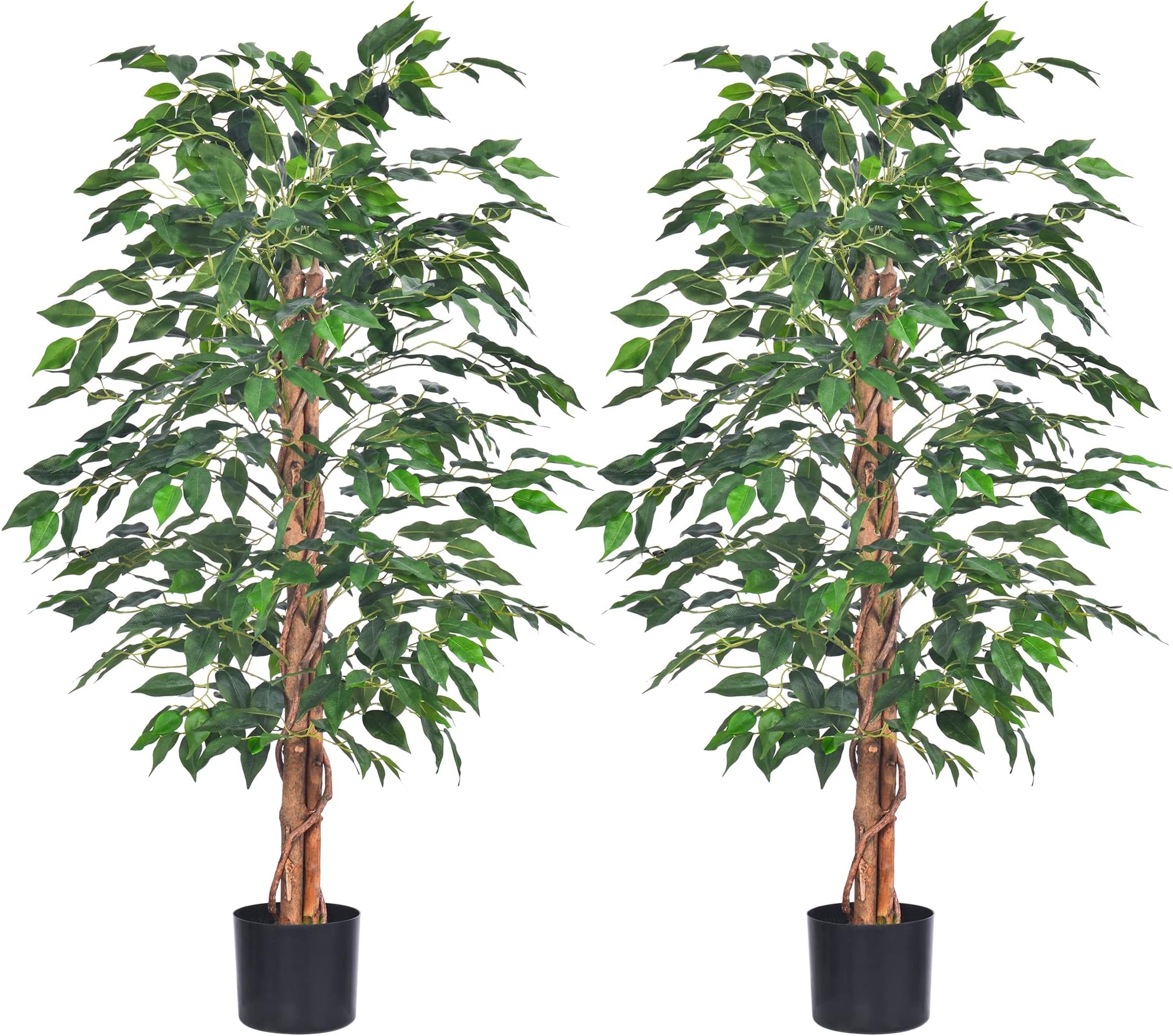
As urban areas continue to evolve, the role of fake trees is likely to expand. The future may involve:
- Enhanced Technology: Continued advancements in design and technology could lead to more efficient and functional artificial trees.
- Integration with Smart Cities: Fake trees could become an integral part of smart city initiatives, aiding in data collection and environmental monitoring.
- Global Adoption: As cities face increasing environmental challenges, the adoption of fake trees may become a global trend, tailored to local needs and contexts.
The emergence of huge fake trees represents a fascinating intersection of technology, art, and environmentalism. While they offer innovative solutions to urban challenges, such as air quality and biodiversity, ongoing discussions about their cost and effectiveness continue. As cities strive for sustainability and livability, fake trees may play a pivotal role in shaping greener, more resilient urban landscapes. Their ability to blend aesthetics with functionality makes them a compelling solution for modern urban environments, inviting us to reflect on our relationship with nature and how we can foster a harmonious coexistence.