Wine-making has been a cherished tradition for thousands of years, evolving from ancient practices to modern techniques that allow enthusiasts to craft their own unique blends in the comfort of their homes. With the right equipment and a little knowledge, anyone can embark on this rewarding journey. This article will guide you through the entire process, from selecting your wine kit to bottling your final product, ensuring you create a delightful vintage that you can proudly share.
Understanding Wine Kits
Wine kits are the foundation for home wine-making, providing everything you need to produce quality wine without the complexity of sourcing raw ingredients. A typical wine kit includes:
- Concentrated grape juice: The primary ingredient that gives your wine its flavor and aroma.
- Yeast: Essential for fermentation, converting sugars into alcohol.
- Stabilizers and fining agents: To clarify and stabilize your wine.
- Instructions: A step-by-step guide tailored to your specific kit.
When selecting a wine kit, consider the following factors:
- Type of wine: Do you prefer red, white, or rosé? Each type comes with its unique characteristics and flavor profiles.
- Quality: Look for reputable brands that offer high-quality juice and yeast.
- Capacity: Kits typically yield 5 to 6 gallons, which translates to about 30-30 bottles of wine.
Gathering Your Equipment
Before diving into the wine-making process, it’s essential to gather the necessary equipment. Here’s a checklist of items you’ll need:
- Fermentation vessel (6.5-gallon glass carboy or food-grade plastic bucket)
- Airlock and bung
- Siphon tubing
- Bottling bucket
- Bottles (standard 750ml or larger)
- Caps and corks with a corker
- Hydrometer (for measuring sugar content)
- Sanitizer (e.g., Star San or similar product)
Having the right tools ensures a smoother process and helps prevent contamination, which can spoil your wine.
The Wine-Making Process
Step 1: Sanitization

Sanitization is crucial in wine-making to prevent unwanted bacteria from spoiling your batch. Clean all equipment with a sanitizer solution, ensuring that every surface comes into contact with the solution for at least two minutes. Rinse with boiled and cooled water if required by your sanitizer’s instructions.
Step 2: Preparing the Must

The must is the mixture of grape juice and other ingredients that will ferment into wine. Follow these steps to prepare it:
- Pour the concentrated grape juice from the wine kit into your fermentation vessel.
- Add water to achieve the desired volume (usually 6 gallons).
- Measure the temperature of the must; it should be around 70-75°F (21-24°C).
- Add the yeast and other ingredients, such as stabilizers, according to the kit instructions.
- Mix thoroughly to ensure even distribution of yeast and nutrients.
Step 3: Fermentation
Fermentation is where the magic happens. Seal your fermentation vessel with the airlock and place it in a dark, temperature-controlled environment. Here’s what to expect:
- Primary fermentation typically lasts between 5 to 14 days.
- Keep an eye on the airlock; bubbling indicates active fermentation.
- Monitor the specific gravity with a hydrometer to track fermentation progress. When gravity stabilizes for two consecutive days, fermentation is complete.
Step 4: Racking the Wine
Racking is the process of transferring your wine from one vessel to another, leaving sediment behind. This step aids in clarifying your wine:
- Using siphon tubing, carefully transfer the wine into a clean carboy, avoiding the sediment.
- Add any additional fining agents as directed by your kit.
- Seal the new vessel with an airlock and let it age for 4 to 6 weeks.
Step 5: Bottling the Wine
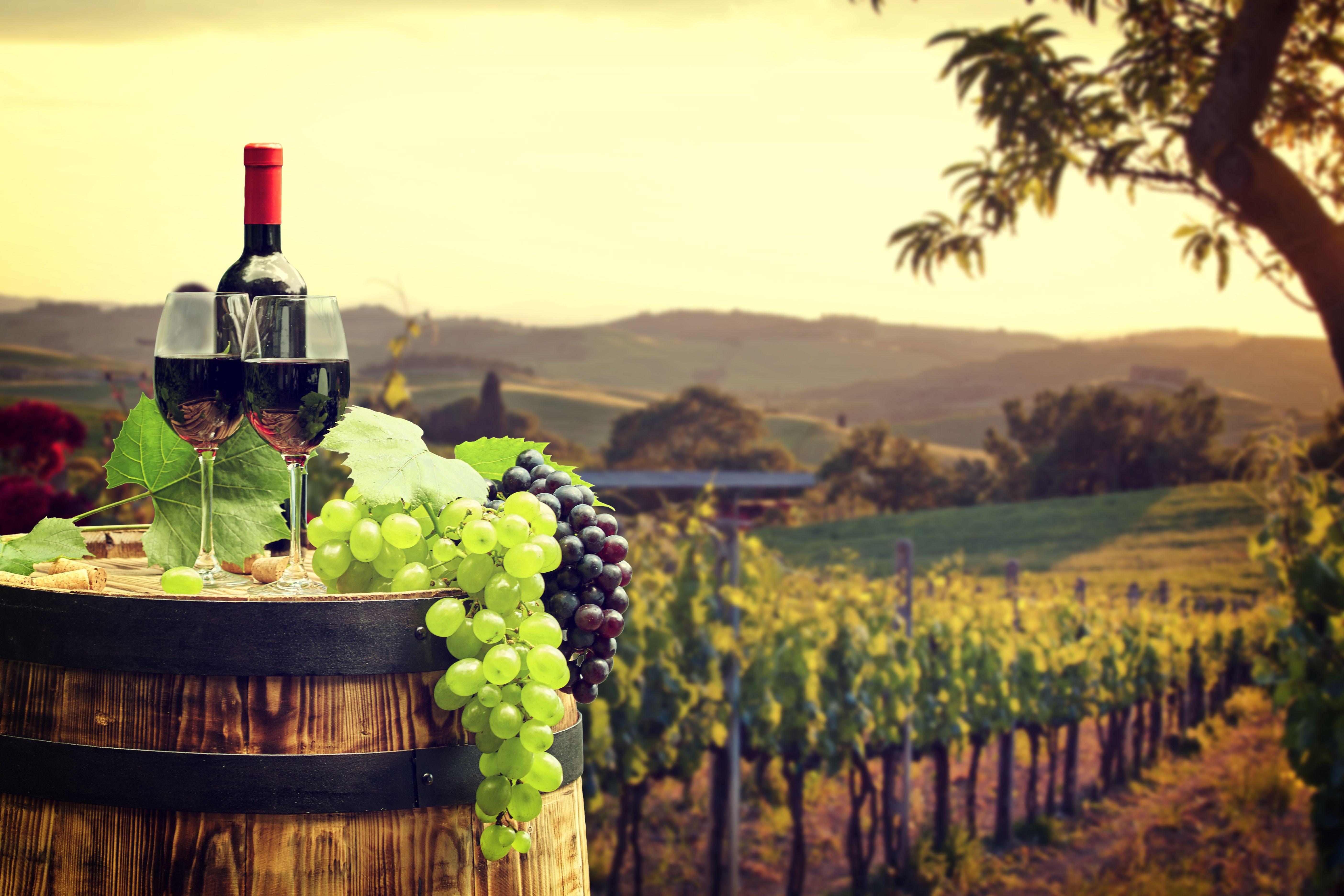
Once the aging process is complete, it’s time to bottle your wine:
- Sanitize all bottles, caps, and corks.
- Use a siphoning system to fill each bottle, leaving about an inch of headspace.
- Cork or cap each bottle securely.
- Label your bottles with the date and type of wine for easy identification.
Step 6: Aging the Bottled Wine
Although you can drink your wine right after bottling, aging can enhance its flavor profile. Store bottles in a cool, dark place on their sides to keep the cork moist. Ideal aging times vary by wine type:
- Whites: 6 months to 1 year
- Reds: 1 to 3 years
- Rosés: 6 months to 1 year
Case Studies and Statistics
Home wine-making has seen a resurgence in popularity, with a 2019 report from the American Homebrewers Association indicating that over 1.6 million Americans engage in home fermentation, which includes wine-making. A case study in California showed that one amateur winemaker produced a Syrah that won a silver medal at a local wine competition after just two years of practice.
This highlights that with patience and careful attention to detail, even novice wine-makers can create award-winning wines. According to a survey by the National Association of American Wineries, 90% of home winemakers reported that they enjoyed the process as much as the end product, showcasing the personal satisfaction that accompanies this craft.
Making your own wine at home is a rewarding experience that combines artistry, science, and tradition. From selecting the right wine kit to the careful processes of fermentation, racking, and bottling, each step contributes to the final product. By understanding the fundamentals of wine-making and dedicating time to perfecting your technique, you can create a unique vintage that reflects your personal taste and creativity.
As you embark on your wine-making journey, remember the importance of sanitation, patience, and experimentation. With each batch, you’ll learn more and refine your skills, ultimately enjoying the fruits of your labor in the form of delicious, homemade wine. Whether you’re looking to create a special vintage for a celebration or simply to enjoy a glass at home, making your own wine is a fulfilling and enjoyable endeavor.