Fireplace bellows have been an essential tool for centuries, transforming the way we tend to fires. From their humble beginnings to their intricate designs in modern times, bellows have played a crucial role in providing warmth and comfort in homes around the world. This article explores the history, evolution, and significance of fireplace bellows, shedding light on their craftsmanship and cultural impact.
Understanding the Function of Bellows
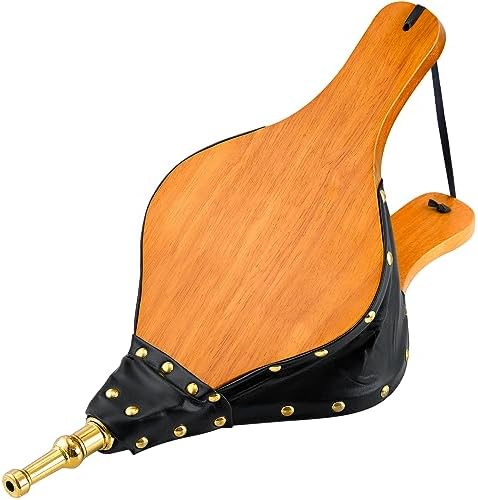
Before diving into the history, it’s essential to understand what fireplace bellows are and their primary function. Bellows are devices designed to create a stream of air to stoke a fire, making it burn brighter and longer. They operate on a simple principle: as the user squeezes the handles, air is forced out through a nozzle, intensifying the flames.
The Origins of Fireplace Bellows

The history of bellows can be traced back to ancient civilizations. Archaeological findings suggest that bellows were used as early as 3000 BCE. Here are some key points about their origins:
- Ancient Egypt: Evidence of bellows made from animal skins has been discovered in ancient Egyptian tombs, indicating their use in metalworking and pottery.
- Mesopotamia: Bellows were crucial in the development of metallurgy, used to increase temperatures in forges for crafting tools and weapons.
- Ancient Greece and Rome: The Greeks and Romans utilized bellows in various crafts, including blacksmithing and glassmaking, showcasing their versatility.
The Development of Bellows Through the Ages
As societies evolved, so did the design and materials used in bellows. The transformation can be categorized into several key periods:
The Medieval Era
During the medieval period, bellows took on more elaborate designs, reflecting the craftsmanship of the time:
- Materials: Craftsmen began using hardwoods and ornate metals, enhancing both functionality and aesthetic appeal.
- Design: Bellows featured intricate carvings and embellishments, often becoming decorative items in addition to being practical tools.
- Usage: They were commonly found in blacksmith shops and large fireplaces, crucial for maintaining home fires during cold winters.
The Renaissance and Beyond

The Renaissance marked a period of innovation in bellows design:
- Artistry: Bellows became more than just a tool; they were crafted as symbols of status, often adorned with family crests or artistic motifs.
- Functionality: New designs allowed for greater control over airflow, making them more efficient for both domestic and industrial uses.
- Spread of Use: With the advent of central heating in the 19th century, bellows remained essential for lighting fires in homes and businesses.
Technological Advancements and Modern Bellows

As technology advanced in the 19th and 20th centuries, so did the evolution of fireplace bellows:
- Materials: The introduction of synthetic materials changed the way bellows were produced, making them lighter and more durable.
- Design Innovations: Modern bellows feature ergonomic designs, which make them easier to use and more efficient in directing airflow.
- Automated Bellows: With the rise of automation, some modern fireplaces utilize electric bellows, eliminating the need for manual operation.
Case Studies: Cultural Significance of Bellows

Bellows have not only served practical purposes but have also been significant in various cultural contexts. Here are a few examples:
Indigenous Cultures

In various indigenous cultures, bellows were integral to the production of tools and weapons, showcasing craftsmanship passed down through generations. For instance:
- The Inuit: Used bellows in traditional practices to create tools necessary for survival in harsh climates.
- African Blacksmiths: In many African cultures, bellows are essential in the forge, where blacksmiths create intricate metalwork for both functional and ceremonial purposes.
Modern Artisans
Today, artisans continue to craft bellows, blending traditional techniques with modern aesthetics. Notable examples include:
- Custom Designs: Many artisans offer personalized bellows, featuring custom designs that reflect individual styles and preferences.
- Eco-Friendly Materials: The rise of sustainability has led to the use of reclaimed woods and non-toxic finishes in the production of bellows.
The Future of Fireplace Bellows
As we look forward, the future of fireplace bellows may involve a combination of tradition and innovation:
- Smart Technology: The integration of smart technology could revolutionize how bellows are used, potentially incorporating sensors to optimize airflow.
- Preservation of Craft: As interest in traditional craftsmanship grows, there may be a resurgence in handmade bellows, emphasizing quality and artistry.
- Environmental Considerations: Sustainable practices may shape the future of bellows production, aligning with broader ecological movements.
Fireplace bellows have traversed a remarkable journey from their ancient roots to modern-day designs. They are not merely tools for stoking fires but are also symbols of craftsmanship and cultural significance. As we reflect on their evolution, we recognize that bellows encapsulate the intersection of utility and artistry, serving as a reminder of our shared history and the warmth of home. The future of bellows lies in balancing tradition with innovation, ensuring that this timeless tool continues to bring comfort and warmth for generations to come.