When it comes to cycling, every detail matters—from the type of tires you use to the gear ratios on your bike. One vital yet often overlooked component is the stem, particularly the short stem tips. These components can significantly affect your bike’s handling, comfort, and overall performance. In this article, we will delve into how to choose the right short stem tips for cyclists, considering various factors such as geometry, material, and riding style.
Understanding the Importance of Short Stem Tips
Short stem tips, often referred to simply as stems, connect the handlebars to the fork of the bicycle. The length and angle of the stem play a critical role in determining how the bike handles and feels to the rider. Here are some key reasons why choosing the right stem is crucial:
- Rider Comfort: An improperly fitted stem can lead to discomfort, causing pain in the back, neck, or shoulders over long rides.
- Handling and Stability: The right stem affects how responsive the bike is to steering inputs. A shorter stem may provide better maneuverability, while a longer one may offer more stability at high speeds.
- Aerodynamics: A well-chosen stem can improve your aerodynamics, especially for competitive cyclists looking to shave off seconds during races.
Factors to Consider When Choosing Short Stem Tips
Choosing the right short stem tips involves several factors that can impact your riding experience. Below are the most important considerations:
1. Stem Length
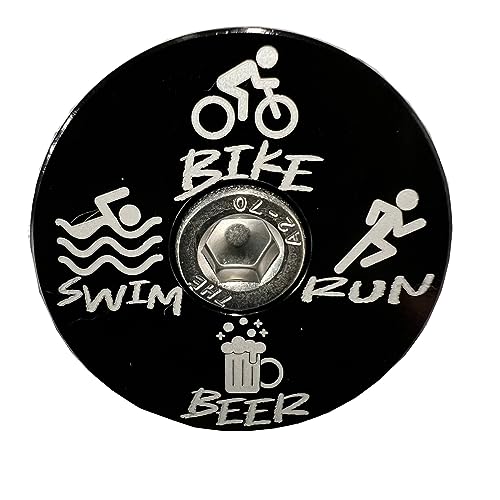
The length of the stem typically ranges from 60mm to 130mm, and the choice depends largely on your body dimensions and riding style. Here’s how to approach it:
- Shorter Stems (60mm-80mm): Ideal for mountain biking or aggressive road cycling, these provide better control and quicker steering response.
- Medium Stems (90mm-110mm): A versatile option for various riding styles, suitable for both road and mountain biking.
- Longer Stems (120mm-130mm): These are generally used for endurance riding, where stability and comfort are prioritized over agility.
2. Stem Angle
The angle of the stem also influences the bike’s fit and handling characteristics. Common angles include:
- Positive Angle: Raises the handlebars, beneficial for comfort during long rides.
- Negative Angle: Lowers the handlebars, ideal for an aggressive riding position.
Choosing the right angle can help you maintain a more efficient riding posture, thus reducing fatigue.
3. Material
Stems are made from various materials, including aluminum, carbon fiber, and steel. Each material has its pros and cons:
- Aluminum: Lightweight and affordable, aluminum stems are durable and widely used.
- Carbon Fiber: Offers excellent vibration dampening, reducing road shock, but is generally more expensive and less durable against crashes.
- Steel: Heavier and less common in performance bikes, steel stems can be more robust and offer a classic aesthetic.
4. Compatibility
Ensure that the stem you choose is compatible with your bike’s fork and handlebars. Check the following:
- Steerer Tube Size: Most modern bikes use a 1 1/8 inch steerer tube, but some may require 1 inch or tapered tubes.
- Handlebar Clamp Size: Common sizes are 25.4mm, 31.8mm, and 35mm.
Assessing Your Riding Style

Your riding style significantly influences the type of short stem tips you should choose. Here are some common cycling disciplines and the recommended stem types for each:
1. Road Cycling

For road cyclists, aerodynamics and comfort are key. A stem length of 90mm to 110mm with a slight negative angle is often preferred to maintain a low profile while ensuring comfort over long distances.
2. Mountain Biking
For mountain bikers, shorter stems (60mm to 80mm) are often ideal. They provide better control on technical trails and descents. A positive angle can also help in maintaining an upright position when navigating obstacles.
3. Triathlon

Triathletes typically prefer longer, aerodynamically optimized stems. A stem length of 110mm to 130mm with a negative angle helps maintain a streamlined posture for better speed and efficiency.
Case Studies: Real-World Experiences

Understanding how different cyclists have benefited from tailored stem choices can help illustrate the importance of making an informed decision:
Case Study 1: Jamie’s Transition to Mountain Biking
Jamie, an avid road cyclist, transitioned to mountain biking and struggled with handling on technical trails. After consulting with a bike fitter, he switched to a 70mm stem with a positive angle. This adjustment improved his control and confidence on the trails, allowing him to tackle challenging terrain more effectively.
Case Study 2: Sarah’s Competitive Edge
Sarah, a competitive triathlete, initially used a standard 100mm stem. After realizing her aerodynamics were suffering, she switched to a 120mm stem with a negative angle. This transition not only improved her speed but also her overall race times.
Statistics: The Impact of Stem Choices

According to a survey conducted by Cycling Weekly, about 68% of cyclists reported that adjusting their stem length positively impacted their comfort and performance. Furthermore, a study by the International Journal of Sports Physiology found that optimizing bike fit, including stem choice, could improve cycling efficiency by an average of 12%.
Choosing the right short stem tips is crucial for optimizing your cycling experience, affecting comfort, handling, and performance. By considering factors such as stem length, angle, material, compatibility, and your unique riding style, you can make an informed decision that enhances your cycling journey. Whether you are a casual rider or a competitive athlete, investing time in selecting the right stem will pay dividends in comfort and performance on the road or trail. Remember, the ideal setup is a personalized one, and consulting with experts or conducting a bike fit can help you achieve the best results.