Buffing wheels have become an essential tool in various industries, from metalworking to woodworking, and even automotive detailing. They serve a crucial function in polishing surfaces, removing oxidation, and enhancing the overall finish of materials. This guide explores the different types of buffing wheels used with grinders, their applications, and tips for choosing the right wheel for your project.
Understanding Buffing Wheels
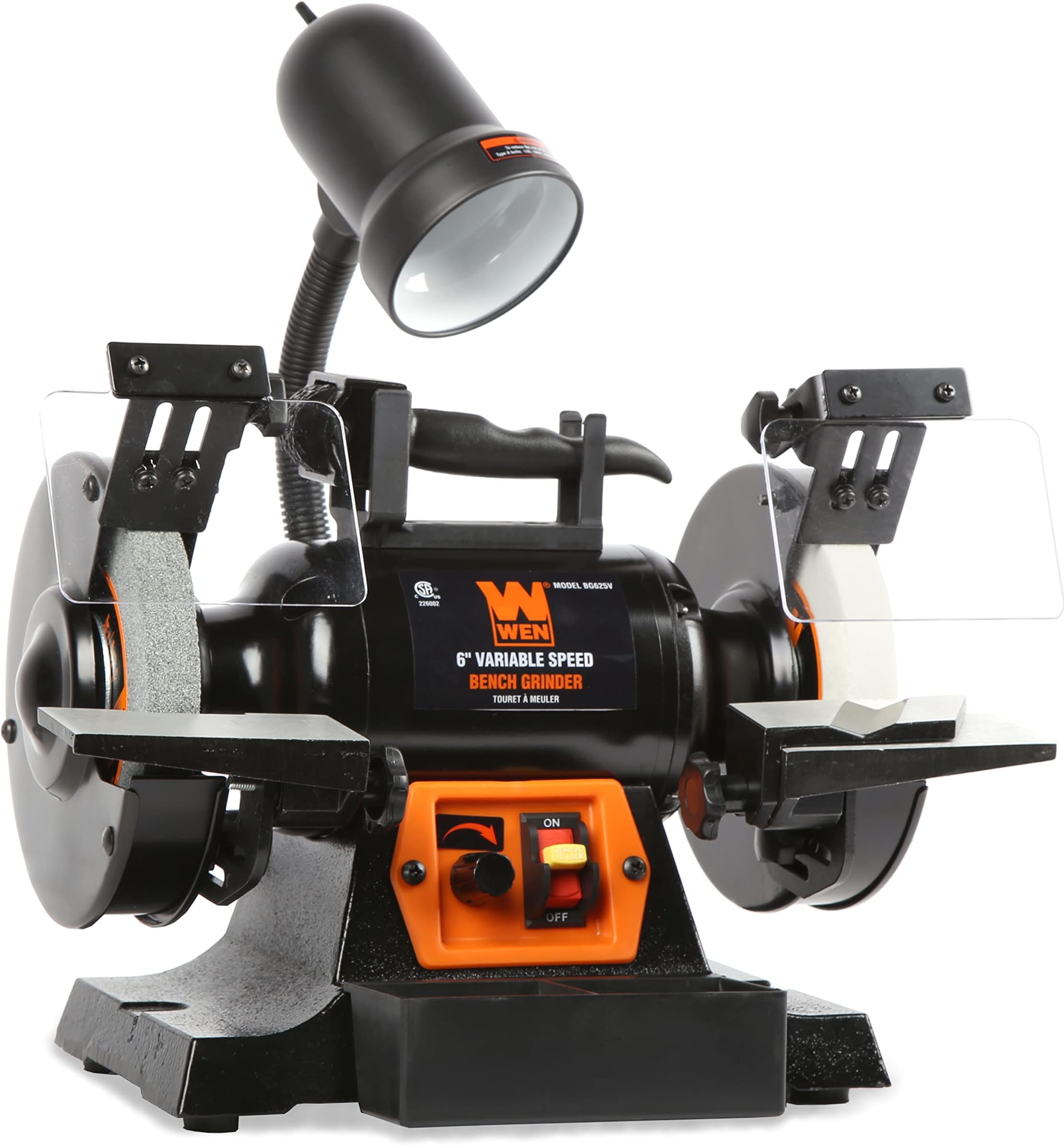
Buffing wheels are circular wheels made from a variety of materials that are designed to polish surfaces. They are typically used in conjunction with a bench grinder or a dedicated buffing machine. The primary purpose of these wheels is to create a smooth, shiny finish on metals, plastics, wood, and other materials.
Types of Buffing Wheels
Buffing wheels come in various shapes, sizes, and materials, each suited for different applications. Understanding these differences is essential for achieving the best results.
1. Material Composition
The material used to construct a buffing wheel significantly impacts its performance and suitability for specific tasks. Here are some common materials:
- Cotton: This is the most common material for buffing wheels. Cotton wheels are soft and flexible, making them ideal for achieving a high-gloss finish on metals.
- Wool: Wool wheels are denser than cotton and provide a more aggressive cut. They are often used for heavy-duty polishing tasks.
- Foam: Foam buffing wheels are used primarily for polishing automotive finishes and are available in various firmness levels.
- Leather: Leather wheels are typically used for polishing softer metals and providing a fine, smooth finish.
2. Wheel Shape and Size

Buffing wheels come in different shapes and sizes, affecting their usability and the type of finish they can achieve:
- Flat Wheels: These are standard buffing wheels that are flat and wide, providing excellent surface coverage.
- Conical or Tapered Wheels: These wheels are designed for reaching into tighter spaces and achieving a more detailed finish on intricate parts.
- Buffing Discs: Thin discs can be mounted on various tools and are often used for precision polishing.
Applications of Buffing Wheels
Buffing wheels are versatile tools that can be used in various applications. Here are some common uses:
1. Metal Polishing
In metalworking, buffing wheels are used to polish stainless steel, aluminum, brass, and other metals. They can remove scratches, oxidation, and tarnish, resulting in a shiny, reflective surface. For example:
- Stainless Steel: Buffing wheels effectively restore the luster to stainless steel appliances and fixtures.
- Aluminum: Used in automotive and aircraft parts, aluminum can be polished to a mirror finish with the right buffing wheel.
2. Wood Finishing

Woodworkers use buffing wheels to achieve a high-gloss finish on furniture and cabinetry. The process enhances the natural beauty of the wood grain. For instance:
- Waxing: A cotton buffing wheel can apply wax to a wooden surface, providing a protective layer and a beautiful sheen.
- Oiling: Buffing wheels can also be used to apply oil finishes, ensuring an even application without streaks.
3. Automotive Detailing
In the automotive industry, buffing wheels are crucial for detailing and restoring car finishes. They can be used to:
- Remove Scratches: Buffing wheels can effectively minimize the appearance of scratches and swirl marks on car paint.
- Enhance Shine: A foam buffing wheel with a suitable polish can significantly improve the shine of a vehicle’s exterior.
Choosing the Right Buffing Wheel

When selecting a buffing wheel, consider the following factors to ensure optimal performance:
1. Material Compatibility
Choose a buffing wheel that is compatible with the material you are working on. For instance, cotton wheels are suitable for metals, while foam wheels are better for automotive finishes.
2. Desired Finish
Consider the type of finish you want to achieve. If you need a high-gloss finish, opt for softer materials like cotton or foam. For more aggressive polishing, choose a wool or leather wheel.
3. Size and Shape
Make sure the size and shape of the buffing wheel are appropriate for your grinder and the project at hand. A larger wheel may cover more surface area, while a smaller, tapered wheel can reach tighter spaces.
Best Practices for Using Buffing Wheels
To get the most out of your buffing wheels, follow these best practices:
- Safety First: Always wear safety glasses and a dust mask to protect yourself from debris and dust.
- Test on Scrap Material: Before applying a buffing wheel to your final piece, test it on a scrap piece to ensure the desired finish.
- Use the Right Speed: Adjust the grinder’s speed according to the wheel and material. Too high a speed can damage the workpiece or cause the wheel to wear out quickly.
- Keep the Wheel Clean: Regularly clean your buffing wheels to prevent cross-contamination of compounds and maintain their effectiveness.
Case Studies and Real-World Examples

Several industries have successfully integrated buffing wheels into their processes, leading to improved results:
1. Jewelry Making

Jewelry makers often use buffing wheels to achieve a brilliant shine on precious metals. A case study involving a small jewelry workshop revealed that by switching to specialized cotton buffing wheels, they reduced polishing time by 30% while enhancing the final product’s quality.
2. Automotive Restoration
A classic car restoration company found that using a combination of wool and foam buffing wheels allowed them to restore vintage car finishes to their original glory, attracting more clients and increasing their reputation in the industry.
Buffing wheels are invaluable tools that enhance the quality and appearance of various materials across multiple industries. Understanding the different types, their applications, and best practices can significantly impact the results of your projects. By selecting the appropriate buffing wheel for your specific needs, you can achieve professional-quality finishes, whether you’re polishing metal, wood, or automotive surfaces. Remember to prioritize safety and regularly maintain your tools to enjoy the best performance from your buffing wheels.
In summary, the right buffing wheel can make a world of difference in your craftsmanship. Take the time to explore the options available to you, and embrace the art of buffing to elevate your work to new heights.