Dog training is a crucial element of pet ownership, and a well-trained dog is often a happy one. One of the most effective tools in the training arsenal is the leash, which is inextricably linked to the type of collar used. This article will delve into the advantages of using a 2-inch wide dog collar for better leash control, providing effective training tips, examples, and case studies to help you and your furry friend navigate the world with ease.
The Importance of Proper Leash Control

Leash control is essential for both safety and obedience. A well-controlled dog allows for enjoyable walks, minimizes the risk of accidents, and enhances the bond between the dog and the owner. Statistics show that around 78% of dog owners have reported issues with leash pulling, making effective control a widespread concern.
- Leash pulling can lead to injury for both the dog and the owner.
- Effective leash control can prevent unwanted encounters with other animals and people.
- A well-trained dog is more likely to be welcomed in public spaces.
Why Choose a 2-Inch Wide Dog Collar?

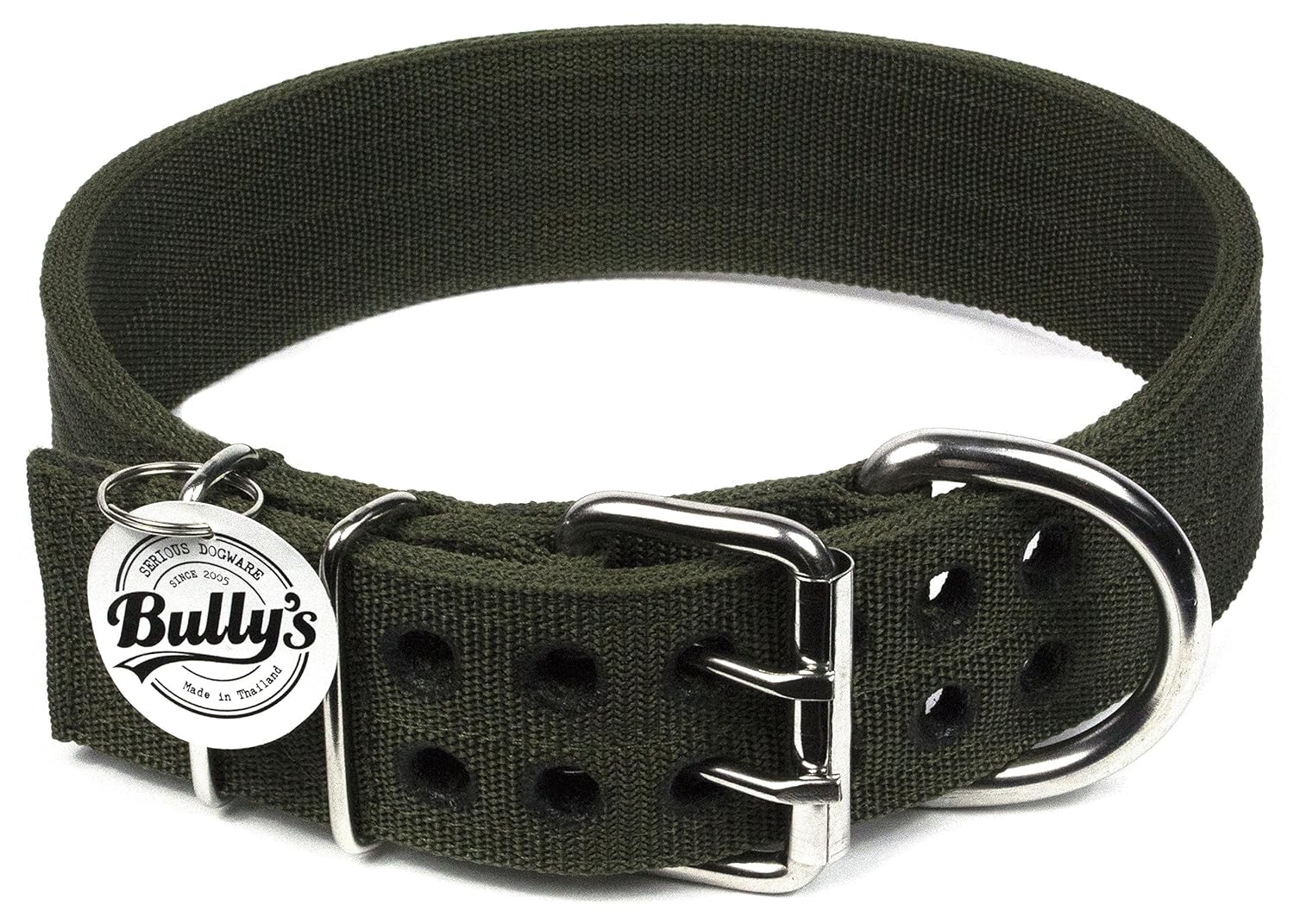
A 2-inch wide dog collar offers several advantages over narrower options, especially for larger breeds. Here are some reasons to consider this type of collar:
- Increased Comfort: Wider collars distribute pressure more evenly across the dog’s neck, reducing the risk of injury or discomfort.
- Better Control: The additional width provides a stronger grip, giving owners more leverage when guiding their dogs.
- Durability: A wider collar is typically made from sturdier materials, making it a long-lasting option for active dogs.
- Visibility: Wider collars can be more visible, which is particularly beneficial for nighttime walks.
Training Tips for Effective Leash Control
Using a 2-inch wide dog collar can enhance your training efforts, but it’s essential to implement the right techniques for optimal results. Here are some effective training tips:
1. Start with Basic Commands
Before you even attach the leash, ensure your dog is familiar with basic commands such as “sit,” “stay,” and “come.” This foundational training will make leash training much easier.
2. Choose the Right Collar and Leash

When selecting a 2-inch wide collar, look for one that is adjustable and made from quality materials. Pair it with a sturdy leash that is comfortable for you to hold. A leash with a padded handle can prevent discomfort during long walks.
3. Practice Loose Leash Walking
Teach your dog to walk beside you without pulling. Here’s how:
- Start in a quiet area with minimal distractions.
- Use treats to encourage your dog to walk beside you.
- Stop walking if your dog pulls, and only resume when they return to your side.
- Reward them with praise and treats for walking correctly.
4. Use Positive Reinforcement

Positive reinforcement is a powerful training method. Reward your dog for good behavior, such as walking calmly beside you. This could be in the form of treats, praise, or playtime.
5. Gradually Introduce Distractions
Once your dog is comfortable walking on a loose leash in a quiet environment, gradually introduce distractions like other dogs, people, or noises. This will help your dog learn to focus on you despite external stimuli.
6. Consistency is Key
Be consistent with your training sessions. Short, frequent training intervals are often more effective than longer sessions. Aim for at least 5-10 minutes of leash training each day.
Case Studies: Success Stories
Real-life examples can illustrate the effectiveness of these training techniques using a 2-inch wide collar. Here are two brief case studies:
Case Study 1: Max the Labrador
Max, a 90-pound Labrador, was notorious for pulling on the leash during walks, often causing his owner, Sarah, to struggle. After switching to a 2-inch wide collar and implementing loose leash training techniques, Sarah noticed a significant improvement. Within a few weeks, Max was walking calmly beside her, thanks to consistent practice and positive reinforcement.
Case Study 2: Bella the Boxer

Bella, a high-energy Boxer, would often become distracted during walks, leading to erratic behavior. After adopting a 2-inch wide collar and focusing on basic commands, her owner, John, was able to redirect her attention during walks. Implementing gradual exposure to distractions helped Bella stay focused, transforming their walks into enjoyable outings.
Statistics Supporting Effective Training
According to the Association of Professional Dog Trainers (APDT), well-trained dogs are 70% less likely to be surrendered to shelters. Additionally, a study from the American Society for the Prevention of Cruelty to Animals (ASPCA) found that positive reinforcement training can lead to a 90% success rate in behavior modification.
Common Mistakes to Avoid
Avoiding common pitfalls can make your training journey smoother. Here are some mistakes to watch out for:
- Inconsistent Commands: Use the same commands consistently to avoid confusing your dog.
- Over-Correcting: Avoid harsh corrections, as these can lead to fear and anxiety.
- Neglecting Training Sessions: Regular training is essential; don’t skip sessions even if your dog seems to be doing well.
Leash control is a critical aspect of dog training that significantly enhances the relationship between an owner and their pet. By using a 2-inch wide dog collar, you can gain better control and ensure the comfort of your dog. Implementing the training tips discussed, such as practicing loose leash walking, using positive reinforcement, and maintaining consistency, can lead to remarkable improvements in your dog’s behavior.
The journey of training your dog is ongoing, but with patience, commitment, and the right tools, you can create a harmonious walking experience. Remember, the key to effective leash control lies not just in the collar you choose but also in the techniques you employ to train your dog. Happy walking!