Barbie, the iconic fashion doll created by Ruth Handler in 1959, has undergone a remarkable transformation over the decades. Initially designed to represent the idealized American woman, Barbie has evolved into a diverse and multifaceted character that mirrors societal changes and cultural trends. One of the most significant influences on this evolution has been the impact of contemporary pop culture, particularly figures like Nicki Minaj. This article explores the evolution of Barbie and how Nicki Minaj’s unique style and persona have influenced the fashion doll, shaping its representation in modern society.
Barbie’s Historical Context

Since her debut, Barbie has been a reflection of the times. The doll has seen various iterations, from the classic blonde, blue-eyed figure to a more inclusive range of body types, skin tones, and career representations. Each version of Barbie has aimed to empower young girls, encouraging them to dream big and embrace their individuality.
- 1960s-1970s: Early Barbie dolls were often criticized for promoting unrealistic body images and traditional gender roles.
- 1980s-1990s: Barbie began to diversify her career options, becoming an astronaut, doctor, and even a presidential candidate.
- 2000s: The introduction of the “Barbie Fashionista” line signified a shift towards embracing different body types, hairstyles, and clothing styles.
This evolution mirrors changes in societal attitudes towards gender, beauty standards, and career aspirations, setting the stage for the next significant transformation spurred by cultural icons such as Nicki Minaj.
Nicki Minaj: A Cultural Phenomenon

Since her rise to fame in the late 2000s, Nicki Minaj has become a defining figure in the music industry and pop culture. Known for her colorful and extravagant style, Minaj has consistently pushed the boundaries of fashion and femininity. Her influence extends beyond music; she has become a trendsetter whose iconic looks have resonated with fans and brands alike.
- Distinctive Style: Nicki Minaj is known for her bold fashion choices, often characterized by vibrant colors, dramatic silhouettes, and playful accessories.
- Empowerment and Individuality: Minaj has used her platform to advocate for self-expression and individuality, encouraging fans to embrace their uniqueness.
- Social Media Influence: With millions of followers on platforms like Instagram and Twitter, Minaj’s style is widely disseminated and emulated, further solidifying her status as a fashion icon.
Her influence on the fashion world is undeniable, and this has seamlessly translated into the evolution of Barbie.
Barbie Meets Nicki Minaj: A New Era of Dolls
In 2016, Mattel launched a Barbie doll inspired by Nicki Minaj, marking a significant moment in the brand’s history. The doll was part of the “Barbie Signature” line and featured Minaj’s signature pink hair and vibrant outfits. This collaboration was not just a marketing strategy; it represented a shift towards embracing modern cultural icons as a means to connect with a younger audience.
The Significance of the Collaboration
:max_bytes(150000):strip_icc():focal(749x0:751x2)/barbie-movie-look-alike-dolls-060223-05-bca4a31d1ede4d14b62109c5ced31280.jpg)
The Nicki Minaj Barbie collaboration was significant for several reasons:
- Diversity in Representation: The doll showcased a different aesthetic that resonated with a younger generation, particularly fans of Minaj who might not have seen themselves represented in traditional Barbie dolls.
- Fashion Forward: The collaboration introduced trendy and contemporary fashion elements, keeping Barbie relevant in the ever-evolving landscape of children’s toys.
- Empowerment Message: By aligning with a figure who promotes self-love and confidence, Barbie reinforced her message of empowerment, encouraging young girls to embrace their individuality.
This collaboration paved the way for further partnerships with various pop culture icons, illustrating how Barbie can adapt to contemporary trends while maintaining her core mission of empowerment.
The Impact on Fashion Dolls and Cultural Representation
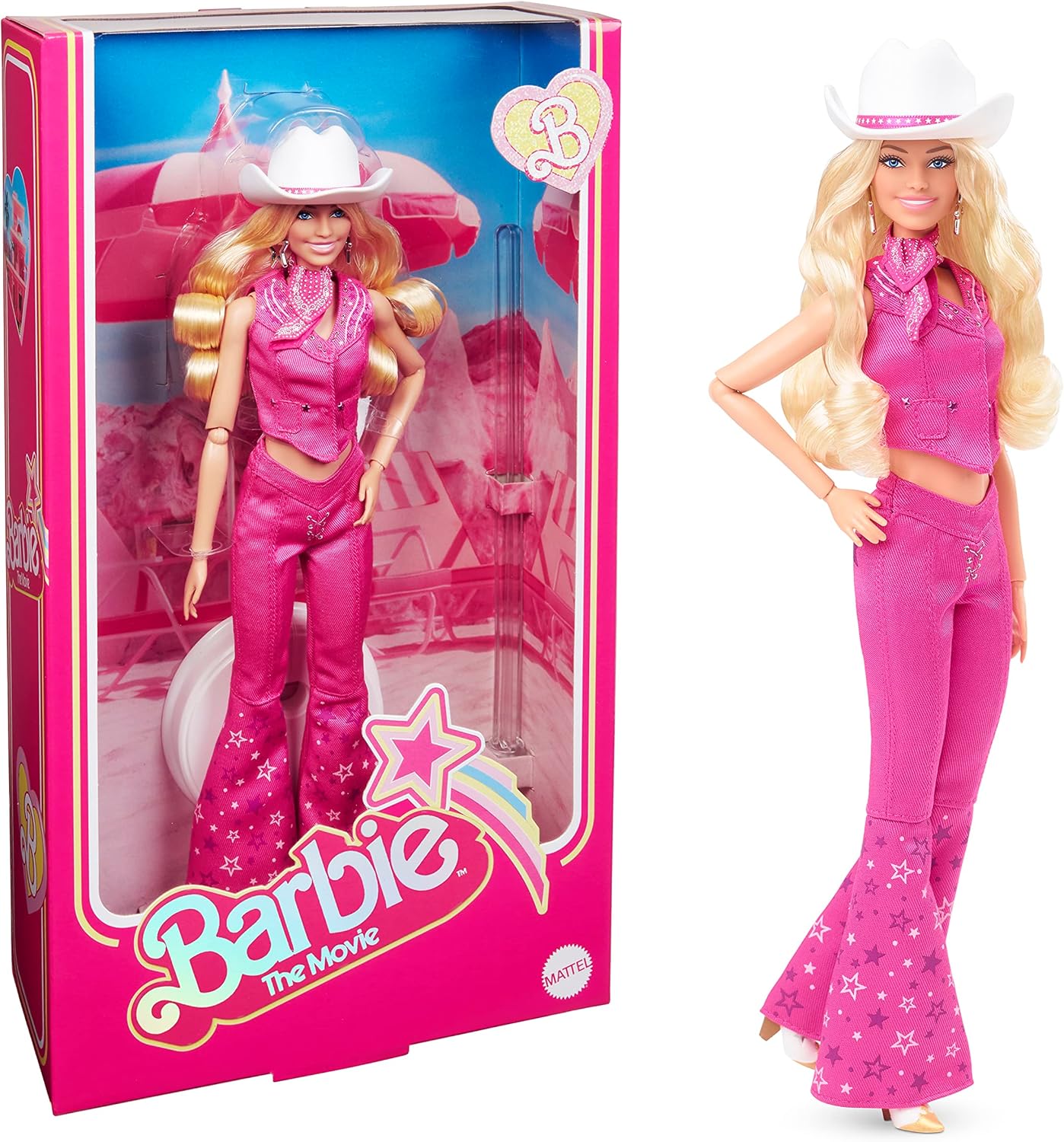
The influence of celebrities like Nicki Minaj on fashion dolls extends beyond just aesthetics. It involves a broader conversation about cultural representation, identity, and the messages conveyed to children through toys.
Cultural Representation
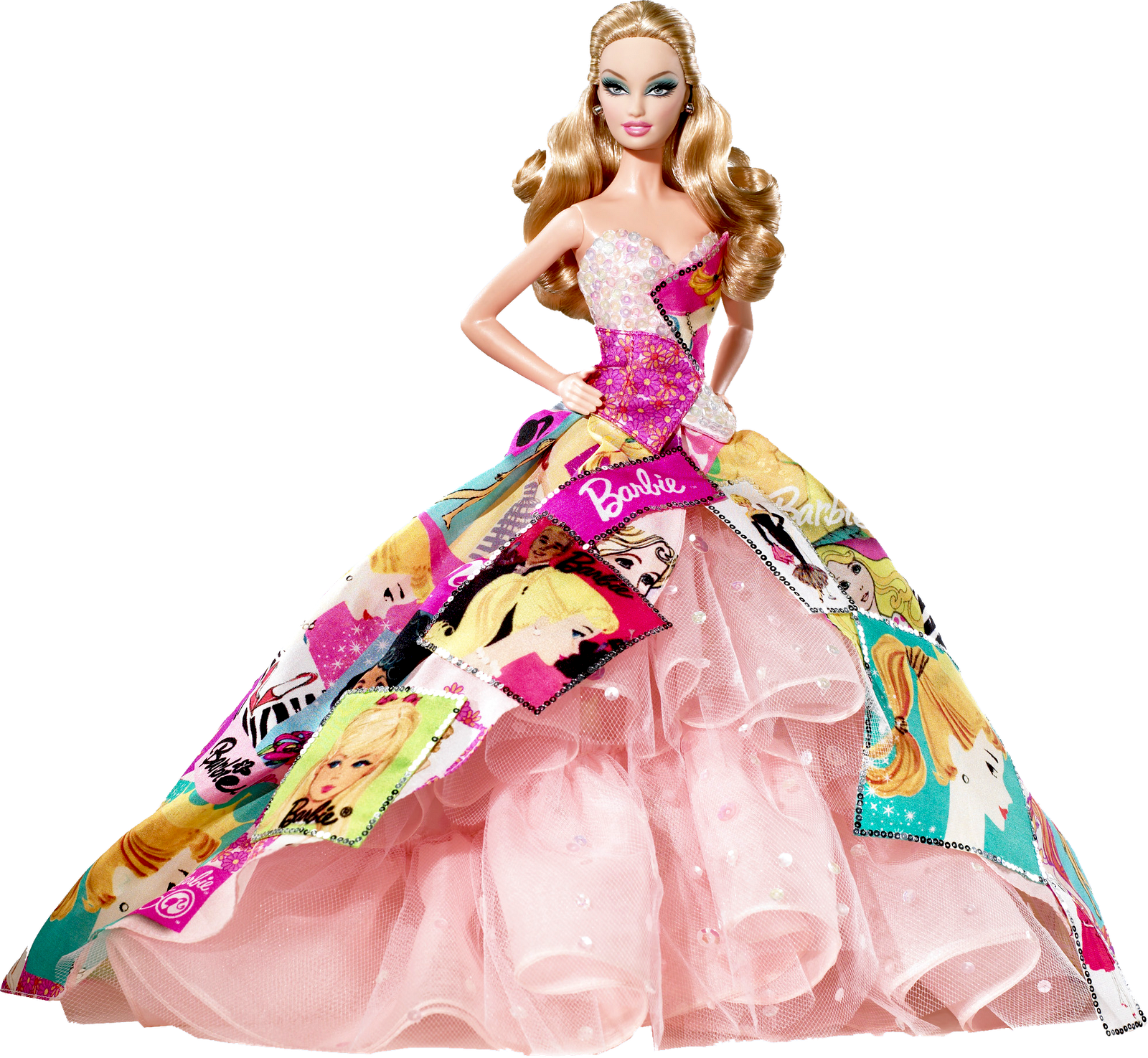
As society increasingly values diversity and inclusion, the fashion doll industry has had to respond. The Nicki Minaj Barbie exemplifies this shift, as it embraces the vibrant culture and aesthetic of a prominent Black female artist. This representation is crucial for young girls of various backgrounds, as it fosters a sense of belonging and validation.
- Role Models: Dolls that reflect diverse backgrounds and styles can serve as role models, encouraging children to pursue their dreams and embrace who they are.
- Breaking Stereotypes: The collaboration with Minaj challenges traditional beauty standards and promotes a more inclusive definition of beauty.
- Encouraging Creativity: Dolls inspired by contemporary figures inspire imaginative play, allowing children to envision themselves in diverse roles and scenarios.
Statistics and Trends in the Doll Industry
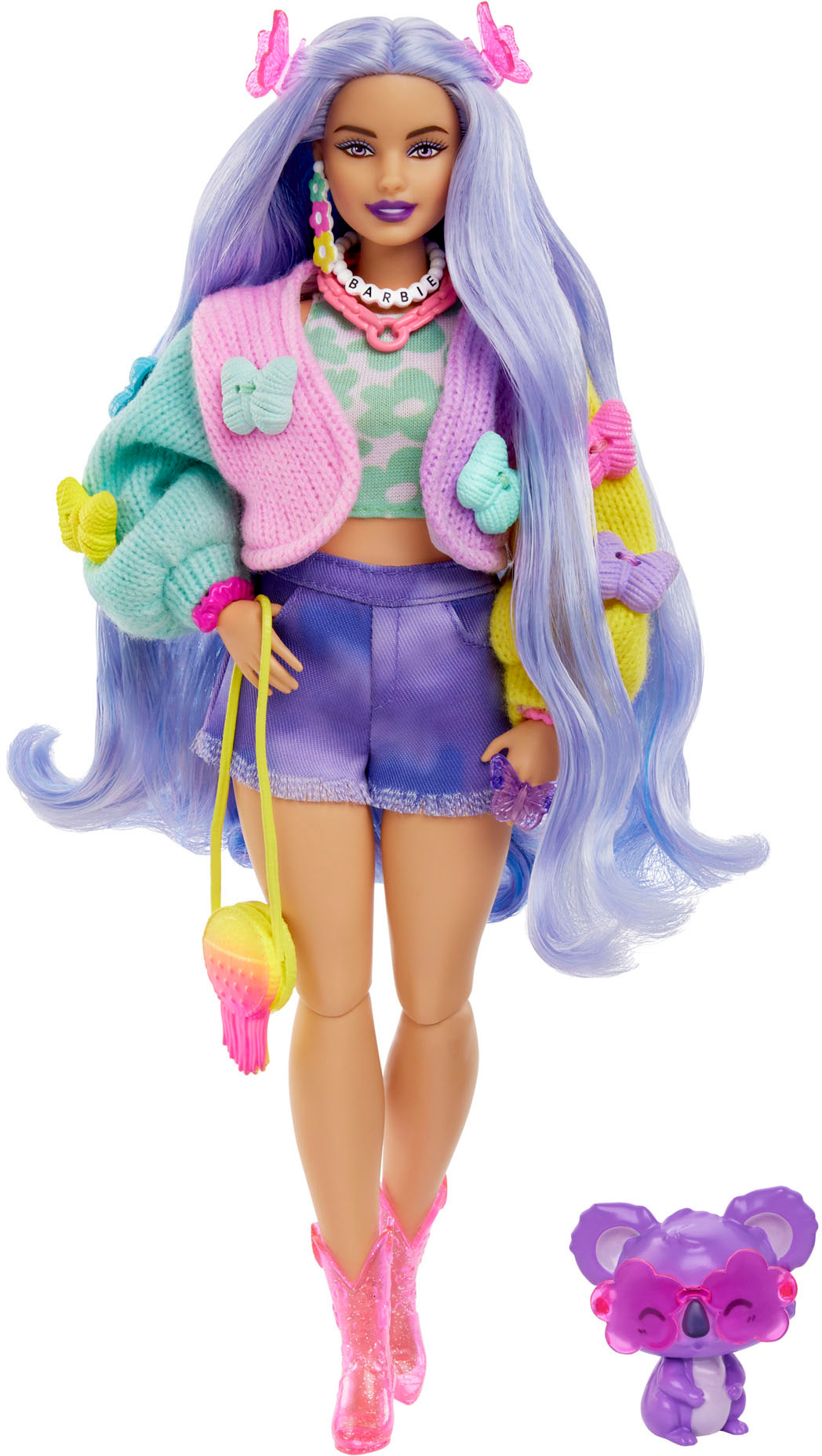
The doll industry has seen significant changes in response to cultural influences. According to a report by The NPD Group, sales of dolls in the U.S. market grew by 14% in 2021, with a notable increase in interest towards dolls that represent diverse characters. This trend indicates that consumers are looking for products that resonate with their values and reflect a broader spectrum of identities.
As a result, brands like Mattel have made concerted efforts to diversify their lines, launching dolls that represent various cultures, body types, and backgrounds. The success of the Nicki Minaj Barbie is indicative of a larger trend where celebrity collaborations help to revitalize interest in fashion dolls.
The Future of Barbie and Fashion Dolls
The evolution of Barbie, particularly in light of Nicki Minaj’s influence, highlights the importance of cultural representation and the role of fashion dolls in shaping societal norms. As Barbie continues to adapt to the changing landscape of fashion and identity, her mission to empower young girls remains at the forefront. The collaboration with contemporary icons like Nicki Minaj signifies a new era for Barbie, where diversity, individuality, and self-expression are celebrated.
As we look towards the future, it is clear that the fashion doll industry will continue to evolve, reflecting the values of the next generation. The influence of pop culture figures will play a crucial role in this evolution, ensuring that dolls remain relevant, relatable, and reflective of the diverse world we live in.
In summary, the journey of Barbie, fueled by influences like Nicki Minaj, not only showcases the evolution of a beloved toy but also embodies the changing dynamics of culture, identity, and empowerment in the modern world. Through innovative collaborations and a commitment to inclusivity, Barbie is poised to inspire and empower generations to come.