In the realm of fairy tales, few stories have captivated audiences quite like that of Snow White. Originally penned by the Brothers Grimm in the 19th century, the tale of a beautiful princess, a jealous queen, and a charming prince has gone through numerous adaptations over the years. As we step into 2025, the narrative landscape has evolved, prompting a fresh retelling of Snow White that integrates contemporary themes, diverse characters, and modern sensibilities. This article explores the reimagining of Snow White, examining its themes, characters, and the cultural significance of this new version.
The Evolution of Snow White

The original Snow White tale is a complex narrative that touches on themes of jealousy, beauty, and the quest for identity. Over the decades, adaptations have varied significantly, from the classic Disney animated film to more recent interpretations that challenge traditional gender roles and stereotypes. A 2025 retelling of Snow White draws inspiration from these adaptations while simultaneously reflecting current societal issues.
Modern Themes in the 2025 Retelling
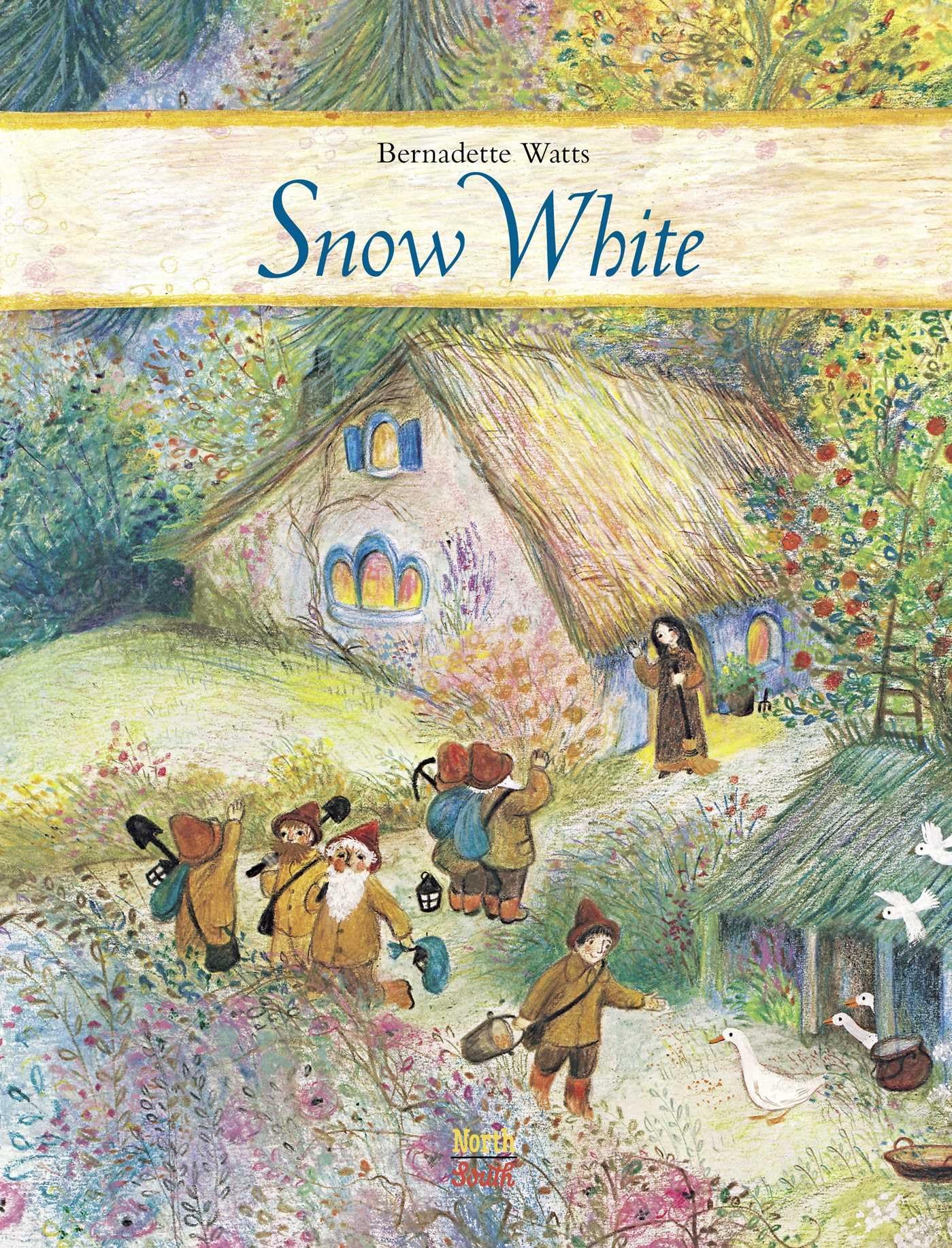
This new interpretation of Snow White embraces several modern themes that resonate with today’s audience:
- Diversity and Inclusion: The characters in the 2025 retelling are not confined to a single racial or cultural background. This version features a multi-ethnic cast, showcasing the beauty of diversity and the importance of representation in storytelling.
- Empowerment: Unlike the passive Snow White of earlier renditions, the protagonist in this retelling is a proactive character. She takes charge of her destiny, showcasing resilience and leadership qualities that inspire young audiences.
- Environmental Awareness: The story incorporates themes of environmental conservation, highlighting the importance of nature and the impact of human actions on the environment. This is particularly relevant in an era grappling with climate change.
- Complex Villains: The Evil Queen is reimagined as a more nuanced character, exploring her motivations and vulnerabilities. This approach invites empathy and understanding, rather than simply labeling her as “evil.”
Character Redefinitions

In the 2025 retelling, character development is crucial to the story’s depth and relatability. Here’s a look at how key characters are redefined:
- Snow White: This version of Snow White is a skilled herbalist who uses her knowledge of plants and nature to heal and protect those around her. She is portrayed as intelligent, resourceful, and independent, actively seeking to challenge the oppressive structures in her kingdom.
- The Evil Queen: Instead of a one-dimensional antagonist, the Evil Queen is portrayed as a complex character whose desire for beauty and power stems from her own insecurities and past traumas. Her internal struggles make her a tragic figure rather than just a villain.
- The Seven Dwarfs: Rather than being mere side characters, the dwarfs are given distinct personalities and backstories. Each dwarf represents a different aspect of society, such as creativity, technology, and emotional intelligence, emphasizing the importance of collaboration and community.
- The Prince: The prince in this retelling is not the traditional knight in shining armor. Instead, he is an ally and supporter of Snow White’s journey, respecting her autonomy and advocating for equality.
Setting and Visual Aesthetics

The setting of the 2025 retelling plays a vital role in creating a rich narrative experience. Unlike the traditional fairy-tale kingdom, the story unfolds in a fantastical world that mirrors contemporary issues:
- Eco-Friendly Kingdom: The kingdom is depicted as a lush, thriving ecosystem that is under threat due to industrialization and pollution. This setting underscores the narrative’s environmental themes.
- Urban and Rural Blends: The story transitions between urban landscapes and enchanted forests, illustrating the contrast between modern life and nature. This duality emphasizes the importance of harmony between the two.
- Visual Storytelling: The retelling utilizes visually stunning animation techniques and vibrant color palettes that reflect the emotional journey of the characters. The artistic style is inspired by contemporary art movements, making it appealing to both younger viewers and adults.
Case Studies of Contemporary Retellings

The reimagination of classic fairy tales is not a novel concept. Numerous successful adaptations have paved the way for innovative storytelling. Here are some examples:
- Maleficent (2014): This movie offered a fresh perspective on the Sleeping Beauty tale, focusing on the antagonist’s backstory and motivations. It was a commercial success, grossing over $758 million worldwide, proving that audiences appreciate complex narratives.
- Into the Woods (2014): This musical film intertwines various fairy tales, including Cinderella and Little Red Riding Hood, showcasing how different characters can coexist and affect one another’s stories. The film was well-received for its unique take on classic narratives.
- Brave (2012): Disney’s animated feature centers on a strong female protagonist who challenges traditional gender roles and familial expectations, further emphasizing the shift towards empowering narratives for young girls.
The Cultural Significance of the 2025 Retelling
The 2025 retelling of Snow White is more than just a reimagined fairy tale; it serves as a cultural commentary on the times we live in. By addressing contemporary issues such as gender equality, environmental conservation, and mental health, the story resonates with audiences on multiple levels.
Moreover, it opens up discussions about the importance of representation in media. In a world where diversity is increasingly valued, this retelling reflects the changing dynamics of society and the need for stories that include voices from different backgrounds. As viewers engage with these characters, they are encouraged to reflect on their own identities and the societal structures around them.
The 2025 retelling of Snow White stands as a testament to the enduring nature of fairy tales and their ability to evolve with the times. By intertwining modern themes such as empowerment, diversity, and environmental awareness, this reimagined narrative captures the spirit of contemporary storytelling. The new character dynamics and rich settings not only breathe fresh life into the classic tale but also offer valuable insights into the complexities of human experience.
As we look ahead, it is clear that the reimagining of Snow White is not merely a nostalgic trip down memory lane but an invitation to explore new narratives that reflect our world. This retelling emphasizes the importance of resilience, community, and self-discovery, ensuring that Snow White remains a beloved story for generations to come.