When it comes to iconic superheroes, few are as instantly recognizable as Batman. From his dark, brooding persona to his legendary rogues’ gallery, the Caped Crusader has captured the imaginations of fans for generations. A key aspect of this enduring legacy is the artwork that accompanies Batman’s stories, particularly the movie posters that entice audiences to step into his world. In this article, we will delve into the creative process behind crafting a Batman poster, exploring the artistic decisions, design principles, and marketing strategies that come together to create a compelling visual narrative.
The Importance of Movie Posters

Before we dive into the specifics of Batman posters, it’s essential to understand the broader context of movie posters in the film industry. Movie posters serve as a crucial marketing tool and have evolved over time from simple advertisements to complex works of art. Here are a few reasons why they are important:
- First Impressions: A movie poster is often the first point of contact audiences have with a film, setting the tone and expectations.
- Brand Identity: Posters help establish a film’s brand, contributing to its identity and marketability.
- Artistic Expression: Posters can be a canvas for artists, allowing them to showcase their creativity and interpretation of the film’s themes.
- Collectibility: Many movie posters become collectibles, particularly for iconic films like Batman, adding to their cultural significance.
The Evolution of Batman Posters
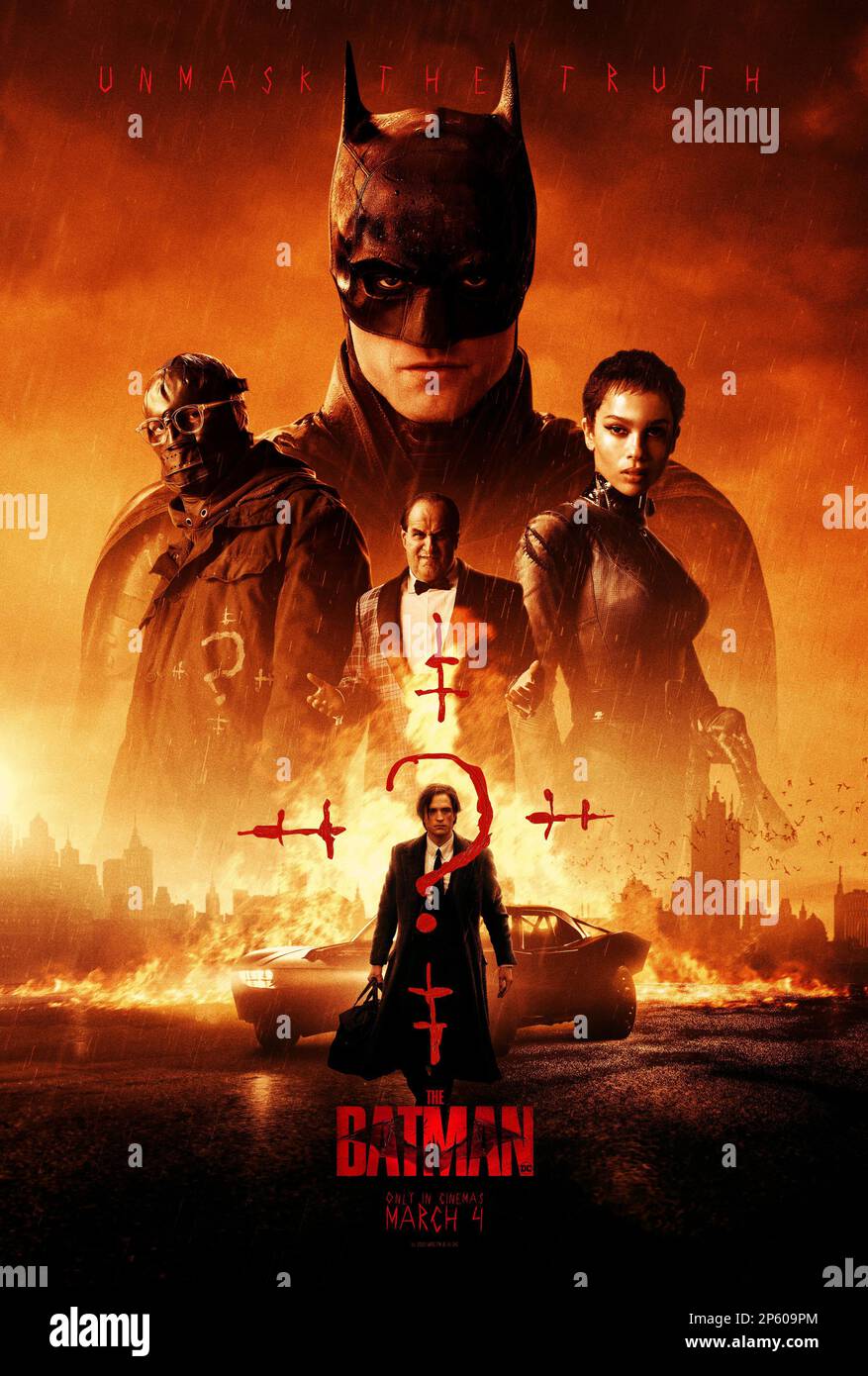
Batman has been a cinematic presence since the 1940s, and his posters have undergone significant transformations reflecting changes in artistic styles, audience expectations, and branding strategies. Notable posters include:
- Batman (1989): Designed by artist John Alvin, this poster featured a minimalist aesthetic, focusing on the iconic bat symbol and a moody color palette, which set the tone for Tim Burton’s dark take on the character.
- The Dark Knight (2008): Featuring Heath Ledger’s Joker, this poster utilized stark contrasts and a gritty texture to highlight the film’s intense themes, emphasizing chaos versus order.
- Batman v Superman: Dawn of Justice (2016): This poster took a more modern approach with a focus on the clash between two iconic heroes, utilizing dramatic lighting and a bold color scheme to captivate audiences.
The Creative Process
The crafting of a Batman poster involves several key steps and considerations. Let’s explore these in detail:
1. Concept Development

The first step in creating a poster is concept development, where the creative team collaborates to brainstorm ideas. This phase often includes:
- Theme Exploration: Understanding the central theme of the movie and how it can be represented visually.
- Target Audience: Identifying the demographic that the film aims to attract, which influences design choices.
- Research: Analyzing previous posters, films, and market trends to avoid clichés and innovate.
2. Visual Design Elements
Once a concept is established, the next step involves selecting visual design elements that will effectively communicate the film’s message. Key elements include:
- Color Palette: Dark colors dominate Batman posters, reflecting the character’s grim nature. For example, the use of blacks, deep blues, and grays conveys a sense of danger and mystery.
- Typography: The font used in the poster can evoke different emotions. Bold, sharp fonts often suggest intensity, while softer fonts might indicate a more human side of the character.
- Imagery: Iconic symbols (like the bat symbol) and character portrayals are vital. They must be instantly recognizable yet creatively reimagined to maintain freshness.
3. Composition and Layout
The layout of a poster is crucial in guiding the viewer’s eye. Designers consider:
- Focal Points: The poster should have a clear focal point that draws attention, often the main character or symbol.
- Balance: A well-balanced poster avoids clutter while ensuring all elements contribute to the overall narrative.
- Hierarchy: The arrangement of images and text can create a visual hierarchy that emphasizes important information, such as the film title or release date.
Case Studies: Analyzing Iconic Batman Posters
To better understand the creative decisions behind Batman posters, let’s analyze a few iconic examples:
Batman (1989)

The poster for Tim Burton’s “Batman” was groundbreaking for its time. The minimalist approach featured the bat symbol against a stark black background, instantly recognizable and powerful. The design effectively captured the film’s dark tone while appealing to a broad audience. This poster was a significant departure from traditional superhero posters, which often included full images of the characters in action.
The Dark Knight (2008)
Christopher Nolan’s “The Dark Knight” poster is arguably one of the most celebrated in cinematic history. It features a haunting image of the Joker, with a color palette dominated by blacks and reds. The tagline, “Why So Serious?” became iconic, encapsulating the film’s exploration of chaos and morality. The choice to focus on the antagonist rather than Batman himself was a bold move that paid off, reflecting the film’s narrative complexity.
Batman v Superman: Dawn of Justice (2016)
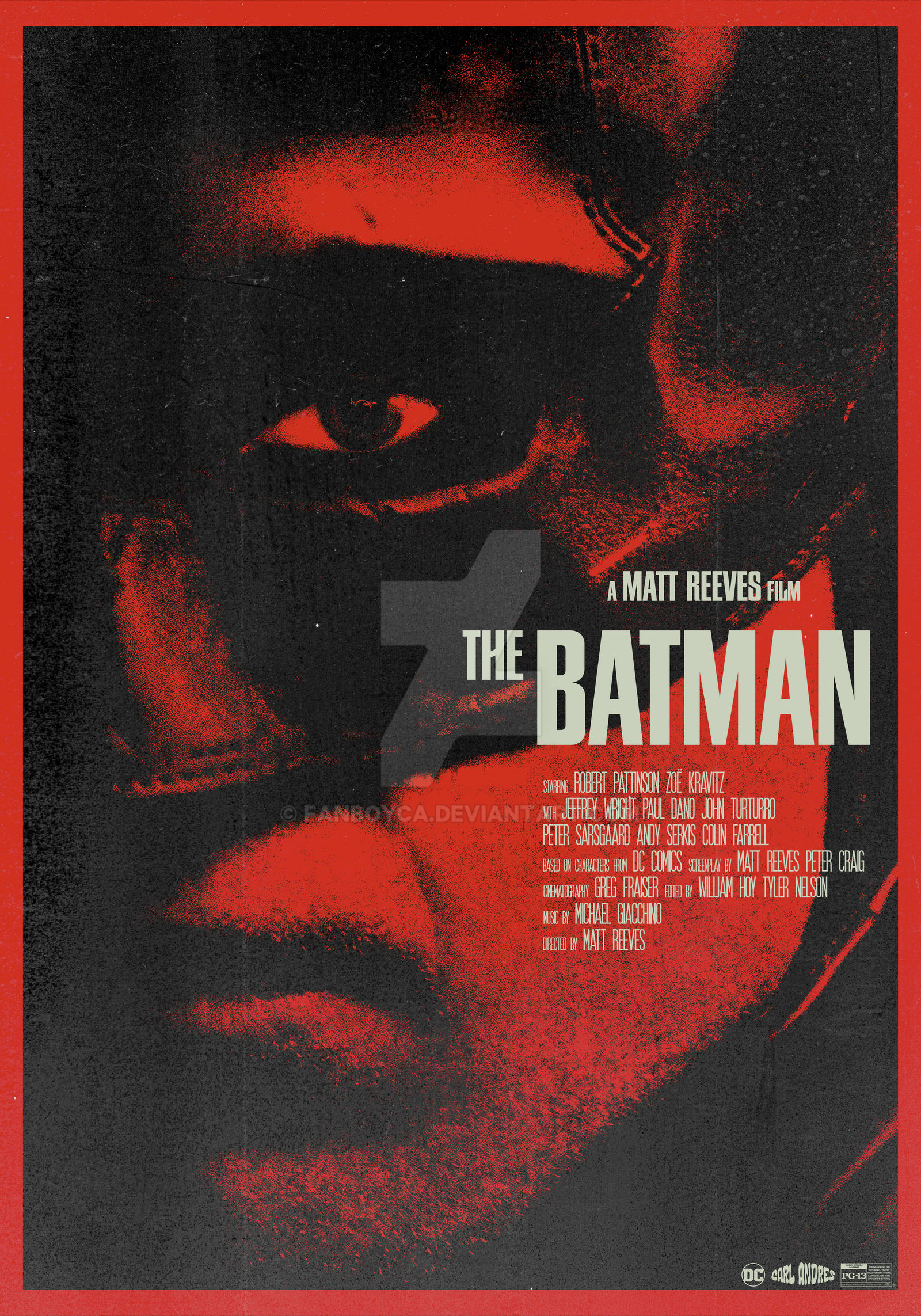
The poster for “Batman v Superman” utilized a more modern design aesthetic, featuring a dramatic face-off between the two heroes. The use of chiaroscuro lighting and a color gradient effectively conveyed the tension between the characters. The poster’s layout emphasized both Batman and Superman equally, appealing to fans of both heroes while inciting curiosity about their conflict.
Marketing Considerations

Crafting a Batman poster is not just an artistic endeavor; it is also a marketing strategy. The poster must resonate with audiences and drive interest in the film. Key marketing considerations include:
- Social Media Impact: In today’s digital age, posters must be designed with online sharing in mind, often leading to adaptations for various platforms.
- Merchandising Potential: A well-designed poster can lead to merchandise opportunities, from prints to apparel.
- Focus Groups: Testing designs with focus groups can provide valuable feedback, ensuring the poster appeals to the target demographic.
The creative process behind crafting a Batman poster is a multifaceted endeavor, merging artistic vision with marketing strategy. From concept development to visual design elements, each step plays a crucial role in creating a compelling image that resonates with audiences. Analyzing iconic Batman posters reveals how design choices reflect the character’s evolution and the cultural context of their respective eras. Ultimately, the success of a Batman poster lies in its ability to capture the essence of the film while enticing viewers to embark on a cinematic journey into Gotham City.
As we look toward the future, it will be fascinating to see how Batman’s enduring legacy continues to inspire designers and marketers alike, ensuring that the Caped Crusader remains a staple in both pop culture and artistic expression.