As winter approaches and temperatures drop, many pet owners seek ways to keep their furry companions warm and comfortable. Heating pads can be an effective solution to help soothe sore muscles and provide warmth. However, using heating pads with pets comes with certain risks if not done correctly. This article will explore essential safety tips for using heating pads with pets, ensuring that your beloved animals stay safe and cozy.
Understanding the Risks of Heating Pads

Before diving into safety tips, it’s crucial to understand the potential risks associated with using heating pads for pets. Here are some common concerns:
- Burns: Pets can easily suffer from burns if the heating pad is too hot or left on for too long.
- Overheating: Animals have different heat tolerance levels than humans, making them susceptible to overheating.
- Unsupervised Use: Leaving a heating pad unattended can lead to accidents, such as chewing or getting tangled in the cord.
- Inappropriate Placement: Using a heating pad in an unsuitable area can lead to discomfort or injury.
Choosing the Right Heating Pad
Not all heating pads are suitable for pets. Here are some factors to consider when choosing a heating pad:
- Pet-Specific Heating Pads: Look for heating pads designed specifically for pets, as these often have built-in safety features.
- Adjustable Heat Settings: Choose a pad with adjustable heat settings to ensure you can customize the temperature to your pet’s comfort.
- Auto Shut-Off Feature: This feature is essential to prevent overheating and potential burns.
- Washable Cover: A removable and washable cover can help maintain hygiene, especially if your pet has an accident.
Preparation Before Use

Before introducing a heating pad to your pet, there are several preparation steps you should take:
- Consult Your Veterinarian: Always consult your veterinarian before using a heating pad, especially if your pet has pre-existing medical conditions.
- Read the Instructions: Familiarize yourself with the manufacturer’s instructions and guidelines for safe use.
- Check for Damage: Inspect the heating pad for any signs of wear or damage before use, such as frayed cords or cracks.
Using the Heating Pad Safely

Once you’ve chosen the right heating pad and prepared for its use, follow these safety tips to ensure your pet’s safety:
- Supervise Your Pet: Always supervise your pet while they are using the heating pad to prevent accidents.
- Limit Usage Time: Limit the time your pet spends on the heating pad to 15-20 minutes at a time to avoid overheating.
- Test the Temperature: Before placing your pet on the heating pad, test the temperature with your hand to ensure it is warm but not hot.
- Use a Blanket: Place a thin blanket over the heating pad to provide a barrier between the pad and your pet’s skin.
- Monitor Your Pet’s Behavior: Keep an eye on your pet’s behavior while using the pad. If they seem uncomfortable, remove them from it immediately.
Recognizing Signs of Overheating or Discomfort

It’s essential to recognize when your pet may be experiencing discomfort or overheating. Watch for the following signs:
- Excessive Panting: If your pet is panting heavily, it may be a sign of overheating.
- Restlessness: If your pet is constantly moving or trying to get off the pad, they may be uncomfortable.
- Red or Irritated Skin: Check your pet’s skin for any signs of redness or irritation after using the heating pad.
- Changes in Behavior: If your pet seems lethargic or unusually agitated, it may be time to remove them from the heating pad.
Alternative Heating Solutions

If you’re concerned about the safety of heating pads, consider these alternative heating solutions:
- Heating Blankets: Pet-specific heating blankets can provide warmth without the risk of burns.
- Microwaveable Heat Packs: These packs can be heated and placed in your pet’s bed for gentle warmth.
- Warm Water Bottles: Fill a water bottle with warm (not hot) water and wrap it in a towel to use as a heat source.
- Warm Clothing: Consider investing in pet sweaters or coats designed to keep your pet warm during colder months.
Case Studies and Statistics
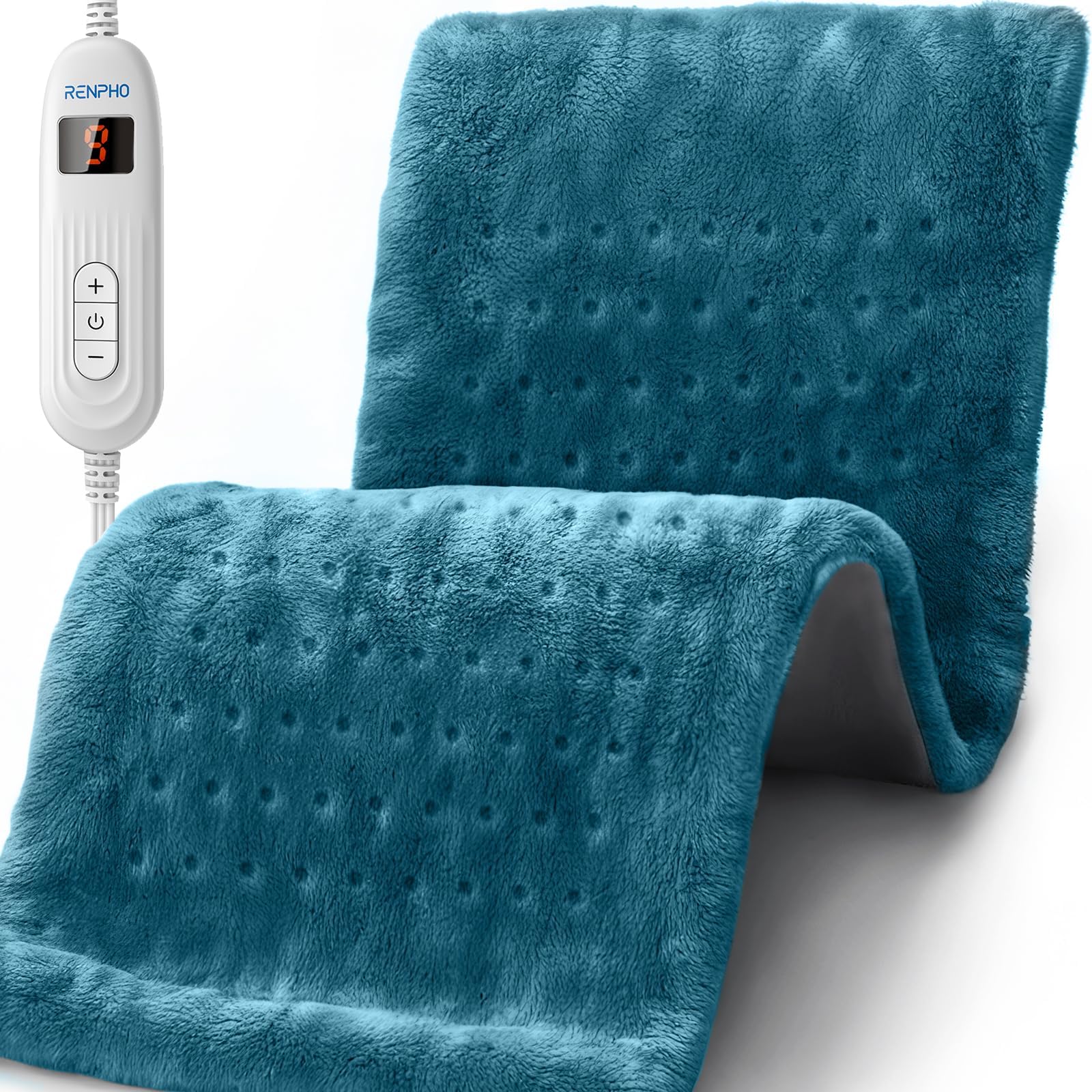
Understanding how heating pads can affect pets is crucial. A study conducted by the American Veterinary Medical Association found that improper use of heating pads led to numerous cases of thermal burns in pets. In one case, a dog suffered severe burns after being left unattended on a heating pad for an extended period. The dog required veterinary intervention, highlighting the importance of supervision and proper use.
Additionally, statistics from the Pet Safety Network indicate that approximately 30% of pet owners do not follow safety guidelines when using heating products, increasing the risk of injury. This emphasizes the need for education and awareness regarding safe practices.
Heating pads can provide comfort and relief for pets, especially in colder months. However, it is essential to prioritize safety to prevent accidents and injuries. By choosing the right heating pad, preparing appropriately, and following safe usage guidelines, you can ensure your pet enjoys the benefits of warmth without the risks. Always consult your veterinarian and monitor your pet closely to create a safe and comforting environment. Remember, your pet’s safety and comfort are paramount, and with the right precautions, you can keep them cozy and happy throughout the winter.