Raising chickens can be a rewarding experience, both for the fresh eggs they provide and for the joy of caring for these lively creatures. However, to keep your hens happy, healthy, and productive, it’s crucial to design a proper chicken coop. In this article, we will explore the top features to include in your chicken coop for eight hens, ensuring that they have a safe and comfortable environment.
Understanding Your Hens’ Needs
Before diving into specific features, it’s important to understand the basic needs of chickens. Hens require a safe shelter from predators, adequate space for movement, ventilation, lighting, and nesting areas. According to the American Poultry Association, each hen needs about 4 square feet of space in the coop and 10 square feet in the run. For eight hens, this equates to at least 32 square feet inside the coop and 80 square feet in the run.
Essential Features of a Chicken Coop
Here are the top features to consider when building or purchasing a chicken coop for your eight hens:
1. Adequate Space

As mentioned earlier, space is essential for the well-being of your hens. A cramped environment can lead to stress and aggression among your flock. When planning your coop, consider the following:
- Indoor Space: Aim for at least 32 square feet within the coop.
- Outdoor Run: Provide a spacious run of at least 80 square feet.
- Vertical Space: Include perches and shelves to utilize vertical space effectively.
2. Proper Ventilation

Good ventilation is crucial for maintaining a healthy coop environment. Proper airflow helps regulate temperature and reduces humidity, which can lead to respiratory issues in chickens. To ensure adequate ventilation:
- Windows: Install windows that can be opened to allow fresh air in.
- Air Vents: Include small vents near the roof to allow hot air to escape.
- Mesh Screens: Use mesh screens to keep predators out while allowing airflow.
3. Secure Protection from Predators
Chickens are vulnerable to numerous predators, including raccoons, foxes, and hawks. To keep your hens safe, consider these features:
- Sturdy Construction: Use heavy-duty wood or metal for the coop structure.
- Secure Doors: Ensure doors close tightly and can be locked.
- Fencing: Use strong fencing around the run, bury it underground to prevent digging.
- Covering: Consider a roof over the outdoor run to protect hens from aerial predators.
4. Nesting Boxes
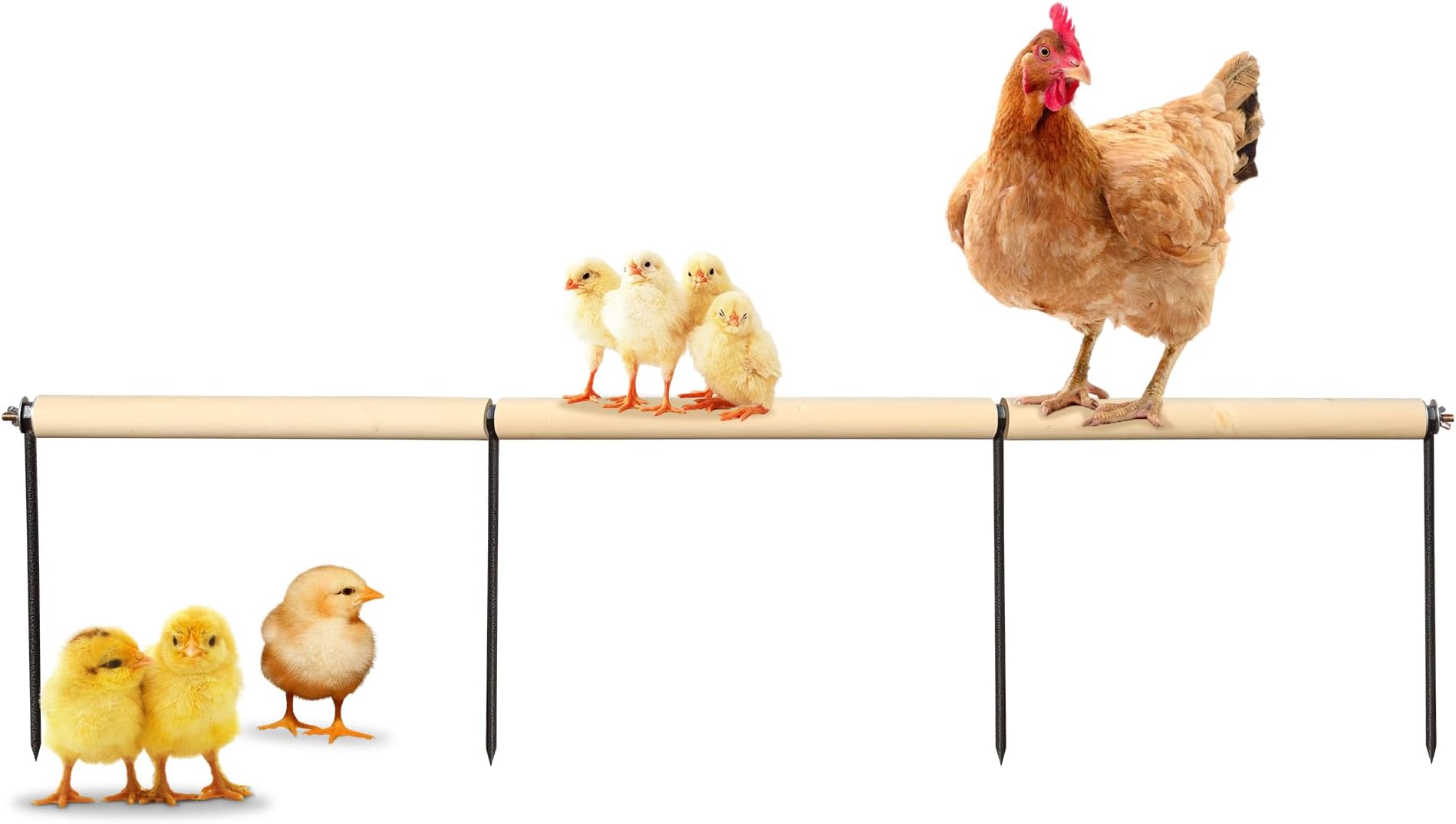
Nesting boxes are essential for egg-laying hens. They provide a private, comfortable space for hens to lay their eggs. When designing your nesting boxes, keep these points in mind:
- Size: Each nesting box should be about 12 inches wide, 12 inches tall, and 18 inches deep.
- Quantity: Provide at least one nesting box for every 3-4 hens, so for 8 hens, 2-3 boxes are ideal.
- Location: Position boxes in a quiet area of the coop, away from feeding and watering stations.
5. Roosting Bars

Chickens prefer to sleep off the ground, so providing adequate roosting bars is essential. Roosting helps keep hens safe from ground predators and promotes healthy sleep. Consider the following:
- Height: Position roosting bars 2 to 4 feet off the ground.
- Width: Use rounded or flat perches that are at least 2 inches wide.
- Spacing: Allow enough space between bars to prevent overcrowding.
6. Easy Access for Cleaning

Keeping your chicken coop clean is vital for the health of your hens. A clean environment reduces the risk of disease and parasites. To facilitate easy cleaning:
- Removable Droppings Board: Install a droppings board under the roosts that can be easily removed for cleaning.
- Access Doors: Design doors that allow you to easily reach all areas of the coop.
- Durable Flooring: Use materials that are easy to clean, such as concrete or treated wood.
7. Water and Feed Stations
Feeding and watering your hens properly are critical for their health and productivity. Here are some tips for creating optimal feeding and watering stations:
- Feeders: Use feeders that minimize waste and protect feed from spoilage.
- Waterers: Provide clean, fresh water daily, using a waterer that prevents contamination.
- Accessibility: Ensure feed and water stations are easily accessible but not located in the nesting area.
8. Lighting

Chickens require adequate lighting to maintain their laying cycle. Natural light is ideal, but supplemental lighting can be necessary, especially in winter months. Here are some considerations:
- Windows: Incorporate windows to allow natural light into the coop.
- Artificial Lighting: Use LED lights to extend daylight hours during winter.
- Light Timing: Keep lights on for 14-16 hours a day to promote consistent egg production.
9. Dust Bath Area
Chickens naturally enjoy dust bathing, which helps them keep their feathers clean and free of parasites. To facilitate this behavior:
- Dust Bathing Box: Create a shallow box filled with sand, dirt, and diatomaceous earth.
- Location: Place the dust bath area in a dry, sunny spot.
- Accessibility: Ensure the dust bath is easily accessible to all hens.
Case Studies and Statistics
According to a study by the University of California Cooperative Extension, well-designed chicken coops significantly reduce stress among hens, leading to higher egg production rates. For instance, flocks kept in spacious, well-ventilated coops produced an average of 10% more eggs compared to those in cramped environments. Additionally, the American Humane Association suggests that providing adequate space, nesting areas, and enrichment can lead to happier, healthier chickens and lower mortality rates.
Designing a chicken coop for eight hens requires careful consideration of their needs to ensure they thrive in a safe and comfortable environment. By incorporating features such as adequate space, proper ventilation, predator protection, nesting boxes, roosting bars, easy access for cleaning, water and feed stations, adequate lighting, and a dust bath area, you can create an ideal home for your hens. Remember, a well-designed coop not only benefits your hens but also enhances your overall chicken-keeping experience. With the right setup, you can enjoy the rewards of fresh eggs and the joy of raising these delightful birds.