Running is a rewarding endeavor, yet it comes with its own set of challenges, particularly during long-distance events or in hot weather. One critical aspect that often goes overlooked is the role of electrolytes, particularly sodium, in maintaining performance and hydration. Salt tablets can be a game-changer for many runners. In this article, we’ll explore when and how to use salt tablets effectively, and why they are essential for optimal performance.
Understanding Electrolytes and Their Importance
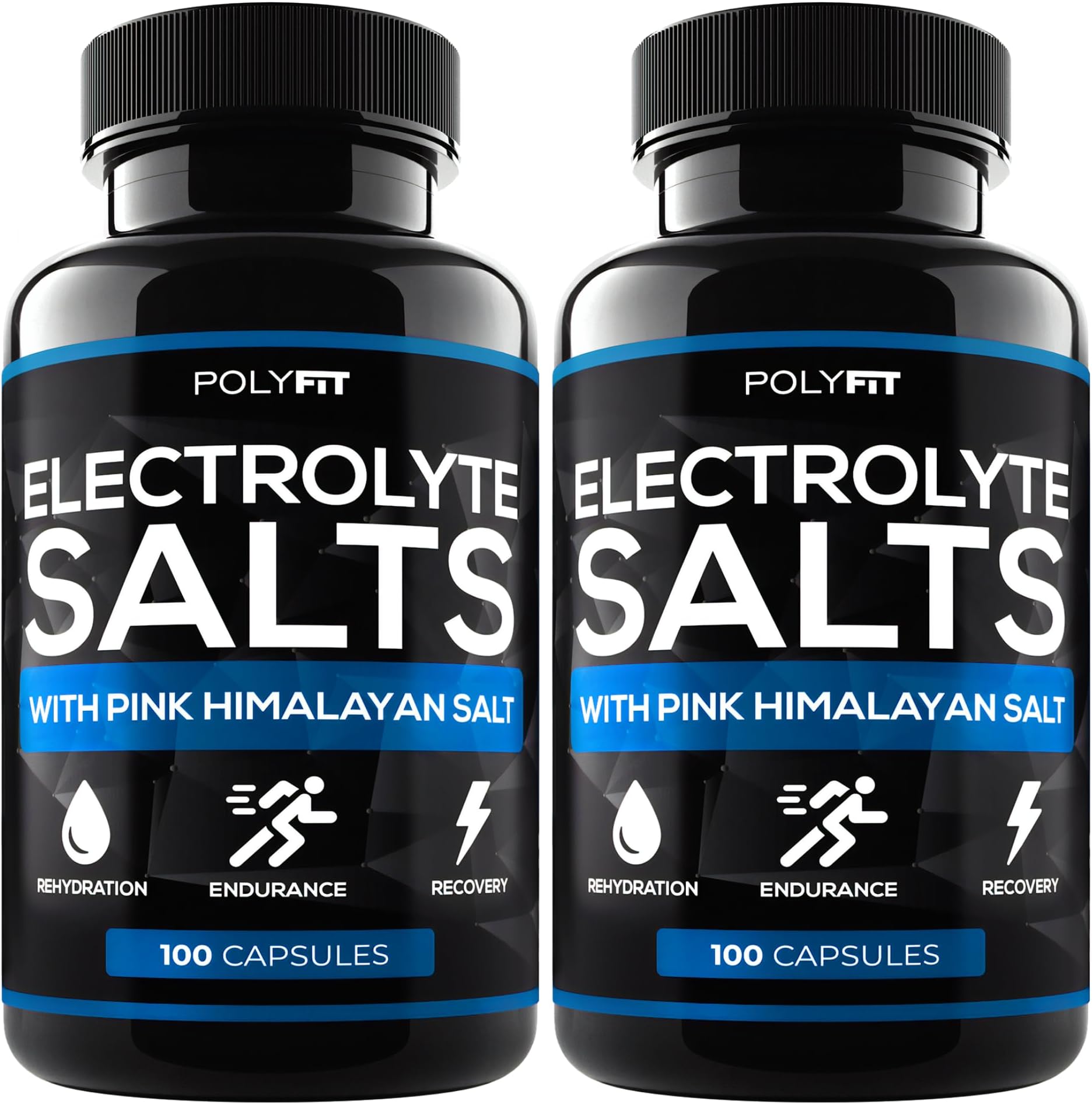
Electrolytes are minerals in your body that have an electric charge. They are essential for various bodily functions, including muscle contractions and hydration. The primary electrolytes include:
- Sodium
- Potassium
- Calcium
- Magnesium
Sodium, in particular, plays a crucial role in maintaining fluid balance, regulating blood pressure, and aiding in muscle function. When you sweat, you lose electrolytes, and if you don’t replenish them, you risk dehydration, muscle cramps, and decreased performance.
When to Consider Using Salt Tablets
Not all runners need salt tablets, but certain conditions and circumstances warrant their use:
- Long-Distance Runs: If you’re running for over an hour, especially in warm conditions, consider using salt tablets. Studies show that endurance athletes benefit from sodium replacement after about 60 minutes of exercise.
- Hot Weather: High temperatures increase sweat production and electrolyte loss. If you’re running in heat and humidity, salt tablets can help maintain sodium levels.
- High Sweat Rate: If you naturally sweat a lot or experience heavy perspiration, you may require additional sodium. A sweat test can help determine your sodium loss during exercise.
- During Races: In competitive settings, maintaining electrolyte balance is crucial. Many runners take salt tablets or electrolyte drinks during marathons or ultramarathons to stave off fatigue and cramping.
How to Use Salt Tablets Effectively

Using salt tablets effectively involves understanding timing, dosage, and hydration:
Timing

Timing is everything. Here are some guidelines:
- Pre-Run: Some runners take a salt tablet about 30 minutes before a long run to ensure their sodium levels are adequate.
- During a Run: For runs lasting longer than an hour, consider taking a salt tablet every 30 to 60 minutes. Adjust based on your sweat rate and weather conditions.
- Post-Run: Replenishing sodium after a run is equally important, especially if you’ve sweat excessively. Consider taking a salt tablet with your recovery meal or drink.
Dosage
Determining the right dosage can be tricky. Here’s a general guideline:
- Most salt tablets contain about 200-300 mg of sodium per tablet.
- For endurance activities, it’s often recommended to consume 500-700 mg of sodium per hour, which usually equates to 2-3 tablets depending on the formulation.
- Always read the packaging for specific dosage recommendations, as formulations can vary widely.
Hydration

Salt tablets should be taken with water. Here’s why:
- Water aids in absorption and helps prevent stomach discomfort.
- Taking salt tablets without adequate fluid can lead to dehydration and may cause gastrointestinal issues.
Case Studies and Expert Opinions

Several athletes and researchers emphasize the importance of sodium during endurance activities. For instance:
- In a study published by the Journal of Sports Sciences, researchers found that runners who consumed sodium during long-distance events had significantly lower instances of cramping and fatigue.
- Expert nutritionist Nancy Clark highlights that “replenishing sodium is critical during prolonged exercise, especially in the heat.”
Many professional runners, including marathon champions, advocate for the use of salt tablets during races, claiming it helps them maintain stamina and focus. These anecdotal accounts are supported by scientific research, indicating that sodium plays a critical role in athletic performance.
Signs You May Need Salt Tablets

Recognizing the signs of electrolyte imbalance can help you determine whether salt tablets are necessary:
- Muscle Cramps: Frequent cramps during or after a run can indicate low sodium levels.
- Fatigue: Unusual tiredness, especially if you feel drained despite adequate training and rest.
- Headaches: Dehydration and electrolyte imbalance can lead to headaches.
- Nausea: Feeling nauseous during or after intense exercise may be a sign that you need more electrolytes.
Potential Risks and Considerations
While salt tablets can be beneficial, they aren’t suitable for everyone. Here are some risks:
- Hypertension: Individuals with high blood pressure should consult a healthcare professional before using salt tablets.
- Kidney Issues: Those with kidney problems might need to avoid excess sodium.
- Overconsumption: Excessive sodium can lead to hypernatremia (high sodium levels in the blood), which can be dangerous.
Incorporating salt tablets into your running regimen can significantly enhance performance and prevent dehydration, especially during long-distance runs in hot conditions. Understanding when and how to use these tablets is essential for maximizing their benefits. As a runner, it’s vital to listen to your body and recognize the signs that indicate a need for sodium replenishment. Always consult with a healthcare provider or nutritionist if you have underlying health conditions, and tailor your salt tablet usage according to your individual needs.
Ultimately, the key takeaways are:
- Electrolyte balance is crucial for optimal performance.
- Salt tablets can be beneficial during long runs, particularly in hot weather.
- Timing, dosage, and hydration are essential when using salt tablets.
- Monitor your body for signs of electrolyte imbalance.
By understanding the role of salt tablets and implementing them correctly, you can enjoy a more successful and enjoyable running experience.