For motorcycle enthusiasts, being self-sufficient on the road can make the difference between a minor inconvenience and a major disaster. A well-organized tool roll can be an invaluable asset, allowing riders to tackle minor repairs and adjustments while on the go. This article delves into the essentials of creating your own DIY motorcycle tool roll, offering tips, tricks, and insights to ensure you have everything you need for a smooth ride.
Understanding the Importance of a Tool Roll
Motorcycle tool rolls are compact, portable kits that hold essential tools for maintenance and repairs. The significance of having a tool roll cannot be overstated:
- Portability: A tool roll is lightweight and easy to carry, fitting snugly into your saddlebags or backpack.
- Organization: It keeps your tools neatly organized, preventing them from rolling around and causing damage.
- Preparedness: Being prepared for roadside repairs can save time, money, and stress during a trip.
- Customization: A DIY tool roll allows you to tailor the contents to your specific motorcycle and personal needs.
Selecting the Right Materials
The first step in creating your own motorcycle tool roll is to choose the appropriate materials. A durable, weather-resistant fabric is essential for protecting your tools from the elements. Here are some materials to consider:
- Canvas: Heavy-duty canvas is a popular choice due to its durability and resistance to wear and tear.
- Nylon: Lightweight and water-resistant, nylon is another excellent option for a tool roll.
- Leather: While more expensive, leather provides a classic look and robust protection.
- Ripstop Fabric: This fabric is often used in outdoor gear and is resistant to ripping and tearing.
Essential Tools to Include
When building your motorcycle tool roll, it’s crucial to include tools that cater to your motorcycle’s specific needs. Here’s a list of essential tools to consider:
- Wrenches: Adjustable and fixed wrenches in various sizes.
- Screwdrivers: A selection of Phillips and flathead screwdrivers.
- Pliers: Needle-nose pliers and regular pliers for gripping and twisting.
- Tire Repair Kit: A must-have for addressing flat tires on the road.
- Multitool: A versatile tool that can serve multiple functions.
- Hex Keys: Commonly used for various motorcycle parts.
- Torque Wrench: For ensuring bolts are tightened to the manufacturer’s specifications.
- Safety Gear: A pair of gloves and a small first-aid kit for emergencies.
Designing Your Tool Roll
Once you have your materials and tools ready, it’s time to design your tool roll. Here are some design elements to consider:
- Size: Ensure your roll is large enough to hold all your tools but compact enough to fit in your storage.
- Pockets: Create various-sized pockets to fit different tools securely. Consider using elastic bands to hold tools in place.
- Closure Mechanism: Options include Velcro, snaps, or buckles. Choose one that is secure yet easy to open.
- Layout: Organize tools by type or size for easy access. A visual layout can help you remember where each tool is stored.
Step-by-Step Instructions for Creating Your Tool Roll
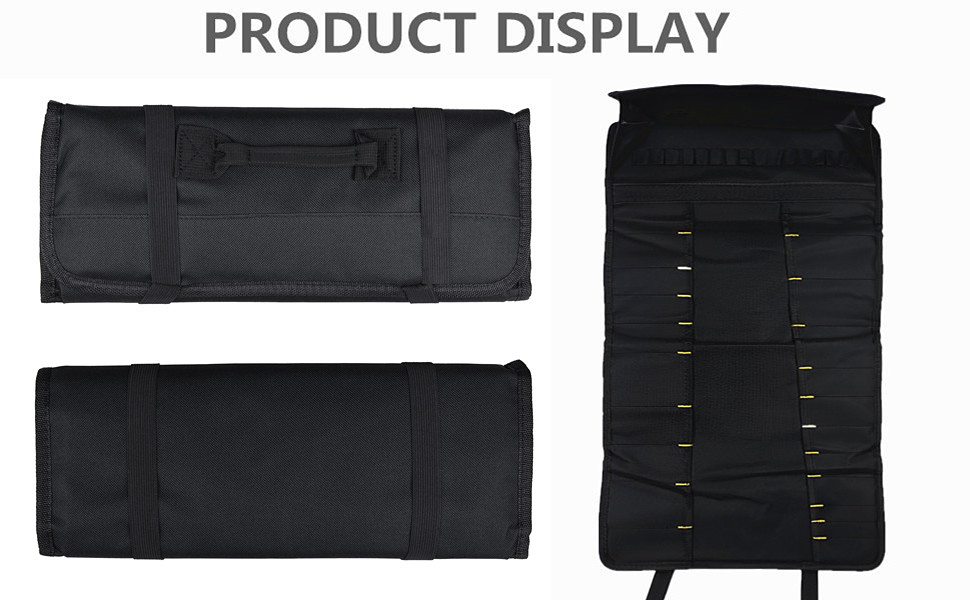
Creating your own tool roll can be a rewarding project. Here’s a step-by-step guide to help you along the way:
Step 1: Gather Materials
Collect all your chosen materials, including fabric, thread, scissors, and any additional embellishments.
Step 2: Measure and Cut Fabric
Decide on the dimensions of your tool roll based on the tools you plan to include. Cut the main fabric and lining accordingly.
Step 3: Create Pockets

Cut additional pieces of fabric for pockets. Sew them onto the main fabric, ensuring they are secure and the right size for your tools.
Step 4: Assemble the Roll
Place the lining fabric on the inside of the main fabric, then sew the edges together. Leave the top open for rolling.
Step 5: Add Closure Mechanism

Attach your chosen closure mechanism to the top of the roll. Ensure it’s secure and easy to use.
Step 6: Test Your Tool Roll

Fill the roll with your tools and roll it up. Test the closure and overall functionality to ensure it meets your needs.
Case Study: A DIY Tool Roll in Action

Consider the story of John, an avid motorcyclist who embarked on a cross-country trip. Before his journey, he decided to create a DIY tool roll. Using heavy-duty canvas, he included all essential tools tailored to his bike. During his trip, John encountered a minor electrical issue. Thanks to his tool roll, he was able to make a quick fix on the roadside, saving him both time and money that would have otherwise been spent at a mechanic’s shop. This experience underscored the importance of preparation and having the right tools on hand.
Maintenance and Care for Your Tool Roll

Once you’ve created your tool roll, proper maintenance is crucial for longevity. Here are some tips:
- Regular Cleaning: Periodically clean your tool roll to remove dirt and grime.
- Check Tools: Regularly inspect tools for wear and tear, replacing them as necessary.
- Store Properly: Keep your tool roll in a dry, cool place to avoid moisture damage.
Creating your own DIY motorcycle tool roll is a practical project that not only saves money but also equips you with the tools to handle unexpected situations on the road. By choosing the right materials, selecting essential tools, and designing a functional layout, you can create a tool roll tailored to your needs. Remember to maintain your tool roll and its contents to ensure they remain in good working order. With your custom tool roll in hand, you can ride with confidence, knowing you’re prepared for whatever challenges may arise on your journey.